
Customer and Service Access Mapped
Public entrances, rear access and staff movement receive separate operational goals.
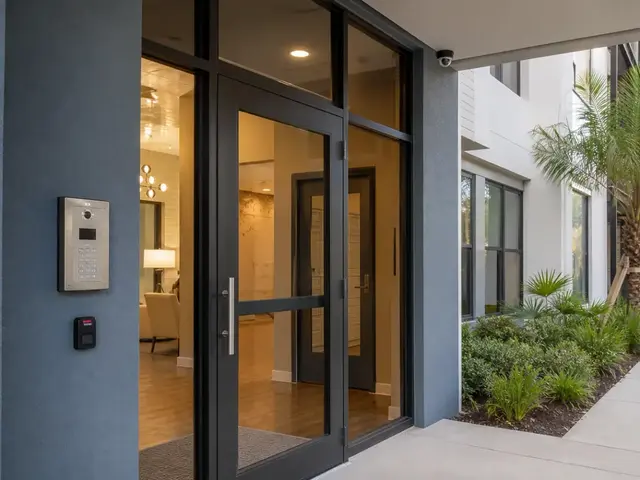
VIDEO SURVEILLANCE FOR MIXED COMMERCIAL CORRIDORS
South Daytona commercial sites range from retail and professional offices to automotive businesses, mixed-use properties and managed multifamily communities. Data Pro Communications plans camera coverage around customer entrances, parking, service access, employee areas and the way each property changes between business hours and after-hours operation.
Camera projects may include access control, structured cabling or network improvements when the property needs connected infrastructure. Existing equipment, tenant coordination and work windows are reviewed before installation so the proposal matches the operating site.
Public entrances, rear access and staff movement receive separate operational goals.
Lighting, vehicle rows, landscaping and approach angles are evaluated at the property.
Installation timing accounts for active businesses, shared spaces and property-management requirements.
Existing cameras and pathways are tested before the scope assumes replacement.
General commercial activity along U.S. 1, Beville Road and Nova Road includes retail, offices, services, restaurants and automotive uses. These properties can have short sight lines, frequent vehicle movement and multiple entrances, making specific view objectives essential.
Mixed-use and multifamily sites introduce additional questions about shared parking, management access, pedestrian circulation and equipment ownership. Camera, network and access-control planning should identify those responsibilities before cabling or devices are placed.
Customer parking, service lanes and deliveries can change clear lines of sight throughout the day.
Tenant boundaries and common areas need defined ownership and viewing permissions.
Signs, parking-lot lighting and dark building edges should be reviewed under representative conditions.
Ceiling access, occupied suites and inherited pathways can affect installation sequencing.
Plan useful views for arrivals, parking, employee access, service areas and exterior approaches.
Organize recording, permissions and review workflows for single or managed properties.
Improve weak views, unsupported recording or unreliable remote access in phases where practical.
Manage employee, tenant or restricted-area credentials with documented permissions.
Provide labeled pathways for cameras, access devices and network endpoints.
Support visitor or delivery communication at selected building or gate entrances.
Cover customer entrances, deliveries, staff access and parking without relying on one storefront view.
Coordinate reception, employee entry and shared exterior coverage with business hours.
Plan vehicle arrivals, service lanes, work-bay approaches and exterior inventory views.
Review lobbies, building entrances, parking and management-office workflows.
Separate tenant, customer, resident and service access while sharing infrastructure responsibly.
Map turns, queueing, service lanes and parking behavior before fixing camera angles.
Confirm who controls exterior pathways, network closets and viewing permissions.
Test entrances and parking under day, dusk and representative nighttime conditions.
Plan cable routes and installation windows around occupied tenant spaces.
Verify recorded detail using the movements and distances the property actually experiences.
Overview cameras can document traffic flow while dedicated views address selected entrances or lanes.
Access systems can separate staff, tenant and service permissions when door hardware and operations allow.
Entry stations can support visitor or delivery contact at controlled approaches.
Managed properties can organize authorized access without giving every user the same permissions.
South Daytona’s comprehensive plan identifies general commercial uses along U.S. 1, Beville Road and Nova Road, including retail, office, professional services, restaurants and conditional automotive uses. That mix calls for different coverage priorities even on nearby parcels: a service lane, a shared office lot and a mixed-use entrance do not present the same operating problem.
A useful project brief should describe customer hours, employee entrances, delivery timing, shared tenant areas and any planned renovation. It should also identify whether management needs live viewing, incident search, access events or simply more reliable recording.

Plan new commercial video coverage and recording around the site.
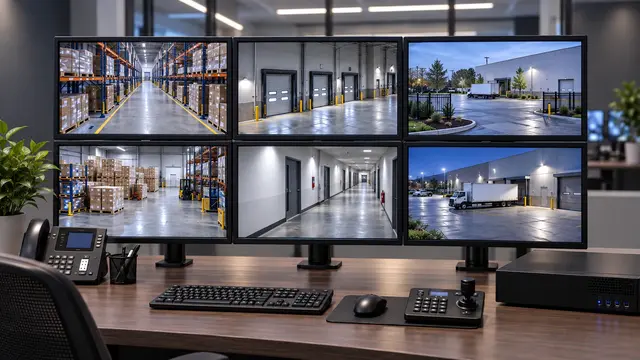
Support organized review, permissions and multi-camera operation.
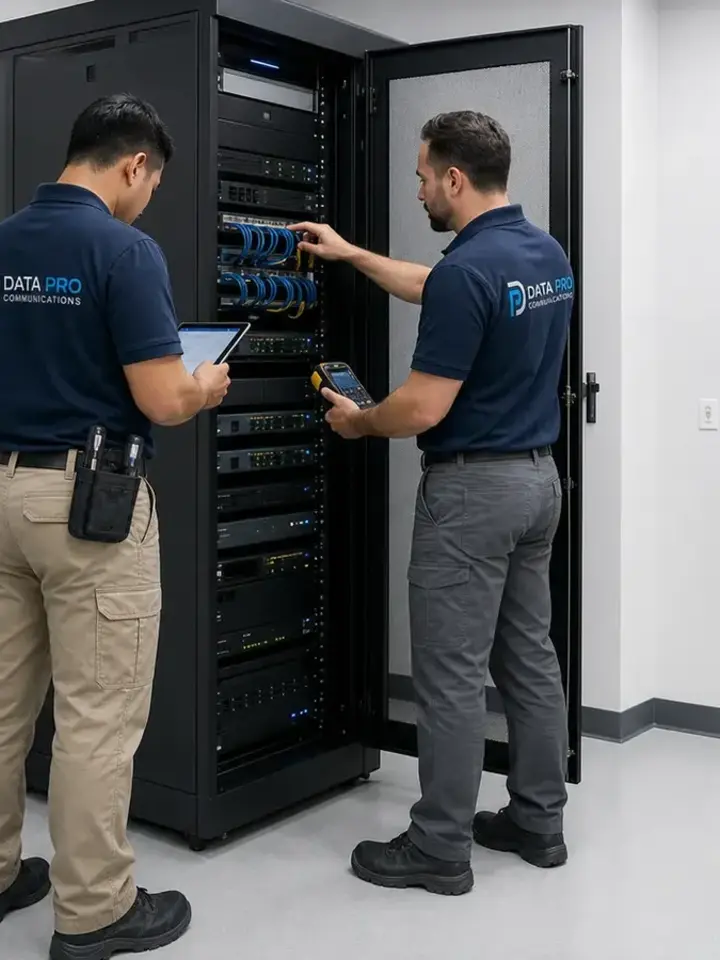
Address outdated recorders, weak views or unreliable remote access.
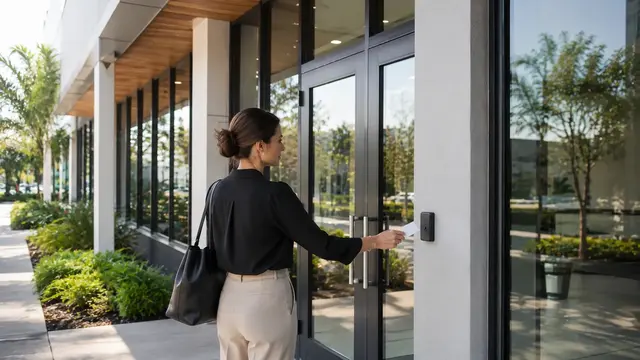
Manage credentials for employee, tenant or restricted openings.
Coordinate communication at selected visitor or service entrances.
Explore camera and infrastructure applications for vehicle-focused operations.
Commercial projects are reviewed within South Daytona based on the individual address, property access and technical scope. The approved Daytona Beach business address remains the public contact location; no separate South Daytona office is represented.
Identify customer, employee, delivery and vehicle-service movement across the property.
Define what must be visible, recorded or access-controlled for the operation.
Resolve pathways, network locations and scheduling before installation.
Test views, recording and authorized access using representative activity.
Data Pro Communications supports commercial security camera and related low-voltage projects under FL License #EC13016138. Project scope, permitting responsibilities and coordination with other trades depend on the property and accepted work.
FAQ
Review customer entrances, checkout-adjacent visibility where appropriate, deliveries, employee access, parking and after-hours exterior areas. The layout should match the store operation rather than a standard storefront package.
Vehicle entrances, service lanes, work-bay approaches, customer parking, employee areas and exterior inventory views may need separate coverage. Changing vehicles and temporary obstructions should be considered during field testing.
Some pathways, racks or network services may be shared, but ownership, viewing permissions, tenant boundaries and maintenance responsibilities should be documented before implementation.
Bright signs, headlights and uneven lighting can create glare or dark areas. Representative nighttime testing helps determine camera position, exposure settings and whether additional views are needed.
Work can often be phased around business hours and suite access. Ceiling routes, noise, temporary outages and access to shared telecom spaces should be coordinated with management and tenants.
Access control is useful when the operator needs managed credentials and a record of authorized door activity. Door condition, hardware, life-safety coordination and user administration must be reviewed.
Assign access by role, property area and operational need. Individual accounts, documented administrators and periodic user review are preferable to one shared login.
Confirm camera compatibility, channel or licensing needs, storage goals, network condition, remote-viewing requirements and whether existing footage must remain accessible during transition.
Yes, when the entrance, communication workflow, network connection and any door or gate release are properly coordinated. The design should identify who answers and what happens after contact.
Scheduling depends on the property address, business hours, site access, approved scope, equipment availability and coordination with management, IT or other trades.
Send the property address and a short description of customer, vehicle and staff activity. Data Pro Communications can review the request and help define the next practical step.