
Public and Restricted Areas Separated
Facility leaders identify appropriate views and controlled openings for each operating zone.
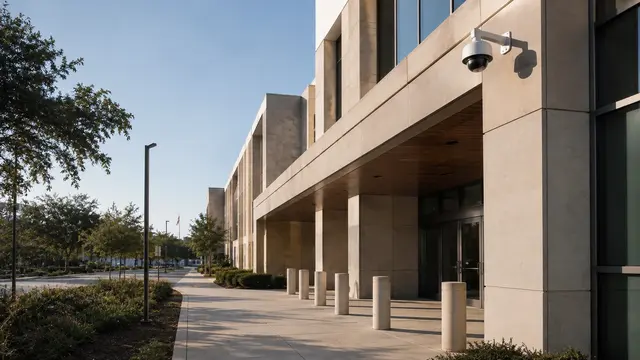
TECHNOLOGY FOR PUBLIC-FACING AND STAFF-ONLY FACILITY AREAS
Government and municipal facilities can combine public service counters, staff-only areas, parking and distributed buildings. Data Pro Communications applies commercial camera and low-voltage planning to those operating environments when the organization has authorized the project.
The page does not claim an existing public-sector contract, procurement status or special eligibility. Scope and purchasing requirements remain with the responsible agency.
Facility leaders identify appropriate views and controlled openings for each operating zone.
Authorized personnel retain administrative credentials, exports and system documentation.
Fiber, network rooms and remote links are reviewed across the facility portfolio.
Work sequencing considers service counters, meetings, parking and occupied hours.
No contract, vendor-list, certification or purchasing preference is implied.
Public-facing facilities need clear circulation and administrative boundaries. Cameras, access control and intercoms can support defined operational workflows, while network and fiber infrastructure connects devices across buildings or departments.
The organization remains responsible for policy, records, procurement and legal requirements. Technology planning should document those interfaces instead of making broad compliance claims.
Plan suitable camera views around arrivals, service areas and building circulation.
Manage selected administrative, records or equipment areas through authorized credentials.
Review vehicle and pedestrian movement around public facilities.
Use network, fiber or remote equipment rooms to support multiple buildings.
Assess inherited cameras, access devices and infrastructure before phased replacement.
Confirm the responsible buyer, accepted scope and purchasing requirements.
Coordinate installation around facility access, meetings and service hours.
Define authorized viewing, retention and export administration with agency advisors.
Identify network, facilities and security responsibilities before configuration.

Plan defined public, staff and exterior views with recording and documentation.

Manage selected staff and restricted-area openings.
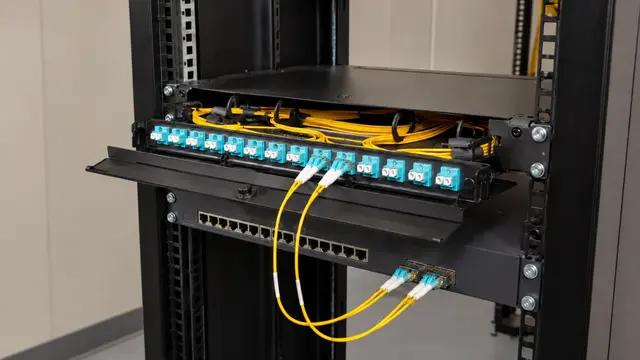
Connect distributed buildings and equipment rooms.
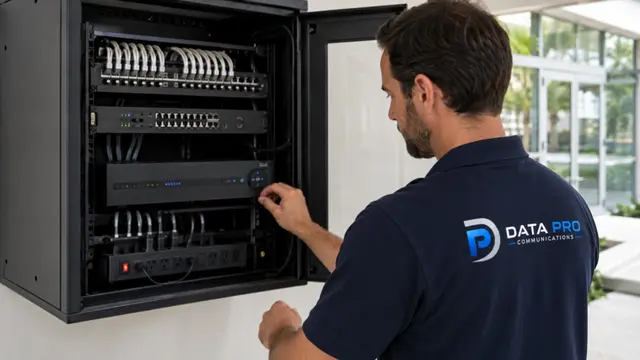
Document faults and maintenance priorities across facility systems.
Identify stakeholders, purchasing controls and permitted use cases.
Review public access, staff areas, parking, buildings and infrastructure.
Sequence accepted work with facilities, IT and other responsible parties.
Verify operation and transfer documentation and accounts to authorized personnel.
FAQ
Authorized agencies may review public entrances, staff-only areas, parking, service locations and distributed buildings according to facility policy.
Review public-facing and staff-only areas, existing cameras, access-controlled openings, network infrastructure and operating hours. Phased installation should be coordinated with authorized IT and facilities personnel so public operations and required system continuity are addressed.
Selected staff openings may use credentialed access when door, egress and administrative requirements support it.
Fiber and network infrastructure can link buildings or equipment rooms when routes and agency IT requirements support the design.
The responsible organization defines viewing, retention, export and records practices with its advisors. Administrative accounts should remain under authorized ownership.
Often, with coordination around public hours, meetings, restricted spaces and any required system continuity.
The agency should identify authorized buyers, accepted scope, purchasing process, site contacts and documentation requirements.
Yes, subject to authorization, system access, equipment support and available records. Findings can separate repair from modernization.
No. It can support operations and review but cannot promise safety outcomes or replace agency policy and professional risk planning.
Provide the authorized scope, building and parking plans, current systems, stakeholder contacts, network responsibility and access restrictions.
Provide the facility type, project authority, priority areas and known infrastructure. Data Pro Communications can review the technical requirements without implying procurement approval.