
Florida Licensed Low-Voltage Work
Data Pro Communications operates under FL License #EC13016138 for its low-voltage contracting work in Florida.
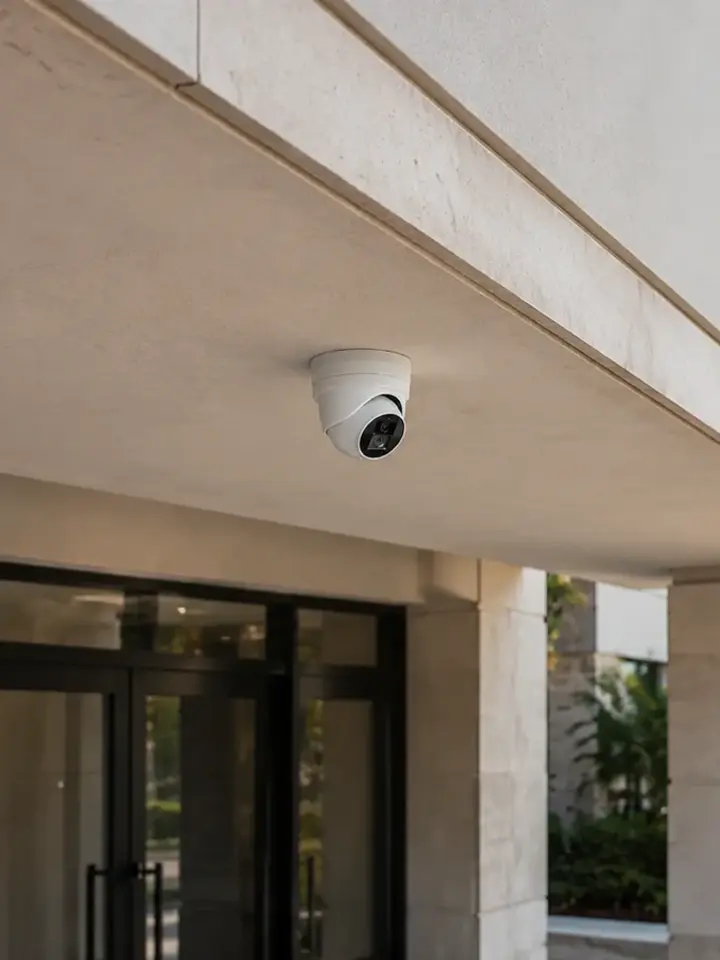
DAYTONA BEACH COMMERCIAL CAMERA SYSTEMS
Daytona Beach Security Camera by Data Pro Communications plans commercial video surveillance around the way a property is used, from guest arrivals and parking areas to loading zones, offices, controlled entrances and detached buildings.
Camera installation can be coordinated with recording, remote viewing, structured cabling, fiber, network infrastructure and access systems when those elements are necessary to deliver reliable, maintainable coverage.
Data Pro Communications operates under FL License #EC13016138 for its low-voltage contracting work in Florida.
Scene purpose, lighting, target detail and review workflow guide the design before equipment is specified.
Cable paths, PoE, switching, fiber, equipment rooms and remote links are examined as part of system feasibility.
Planning accounts for occupied buildings, guest areas, garages, yards, controlled entrances and multi-building sites.
Device names, account ownership, recording access and known limitations are organized for authorized operators.
A useful camera system begins with an event the property needs to review: a guest arrival, vehicle entrance, loading activity, after-hours movement, access point or incident in a defined operational area. Each scene calls for its own field of view, target detail, lighting response and recording plan.
The image is only one part of the result. Cable pathways, PoE capacity, network transport, equipment locations, retention and authorized user access must support the camera long after installation day. Data Pro Communications can coordinate those dependencies while keeping video surveillance at the center of the project.
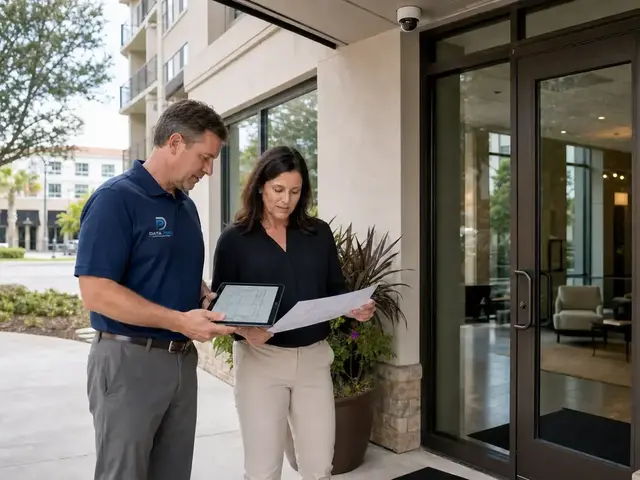

Plan new commercial camera views, pathways, recording and commissioning as one property-specific installation.
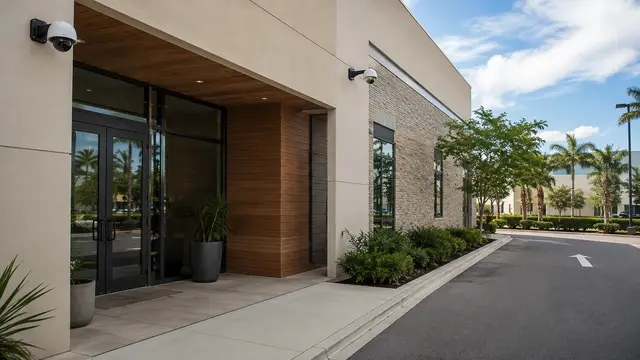
Modernize analog, IP or hybrid CCTV environments without assuming that every existing cable or device must be discarded.
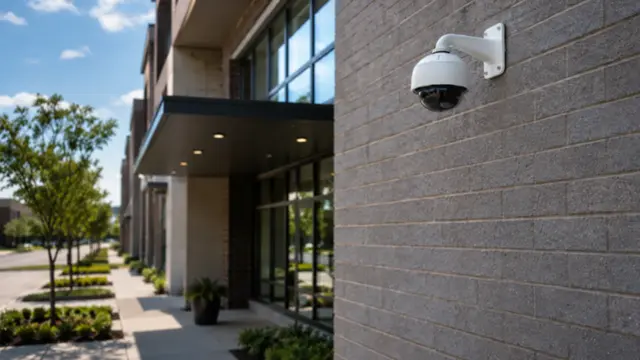
Build networked video around supported cameras, PoE, uplinks, cybersecurity coordination and maintainable system access.
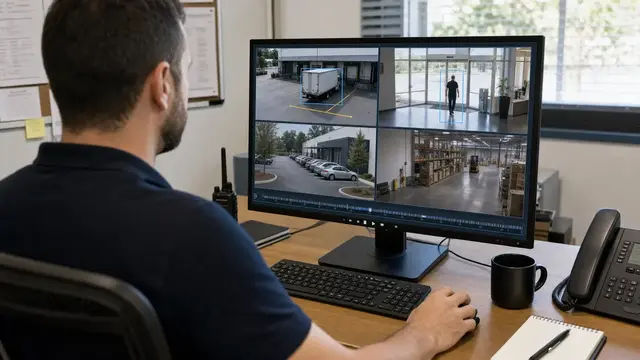
Evaluate analytics against the scene, lighting, camera position, event definition and human review process instead of treating detection as a guarantee.
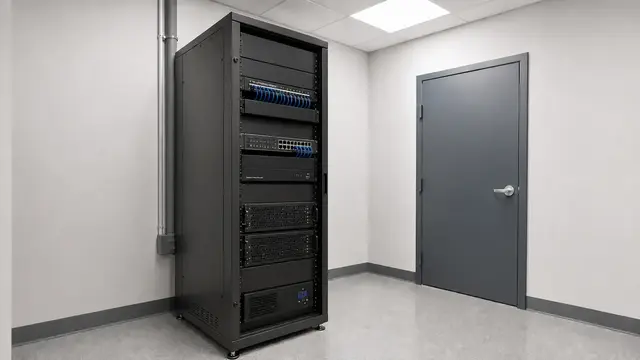
Coordinate recording, retention, user roles and authorized remote access with available bandwidth and account ownership.
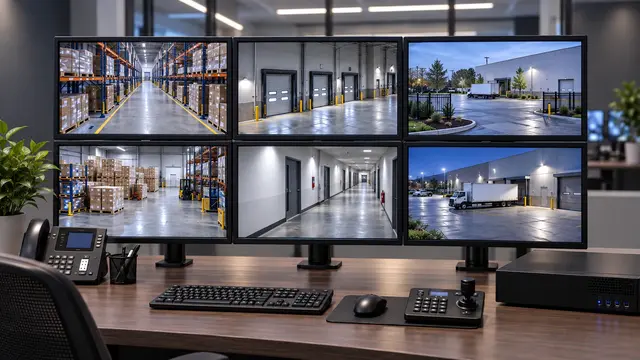
Organize live view, search, export and multi-site operator workflows when a basic recorder interface is not enough.
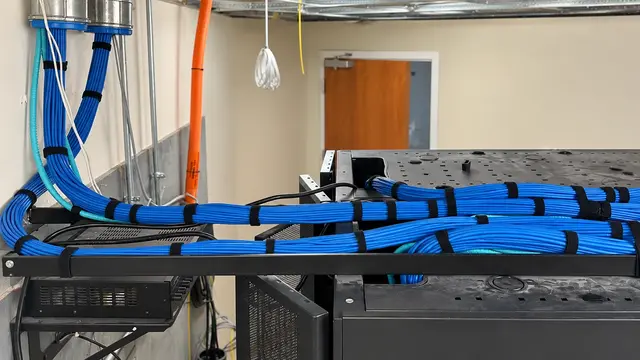
Create labeled copper pathways for cameras, access devices, wireless access points, phones and other commercial network endpoints.
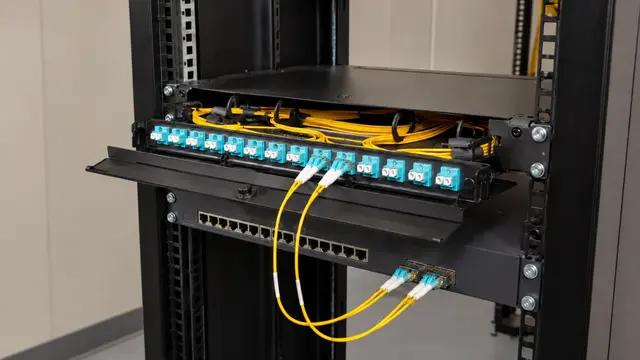
Connect buildings, floors or distant equipment locations where copper distance or electrical conditions make fiber the appropriate backbone.
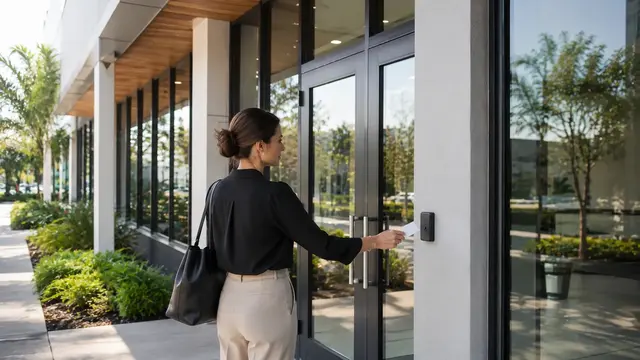
Manage credentialed doors, user permissions and event records while coordinating related camera views where useful.
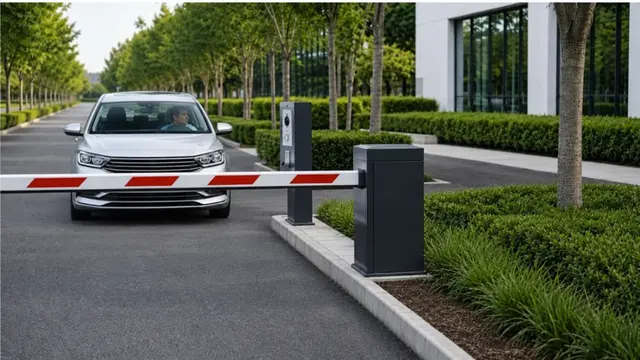
Coordinate vehicle entry, visitor communication, access equipment and camera context at commercial or managed-property gates.
The Daytona Beach area includes a substantial mix of hotels, resorts, condo-style lodging and visitor-facing properties, alongside commercial offices, healthcare, retail, industrial and automotive activity. A hotel lobby, an oceanfront garage and an inland warehouse do not need the same views, permissions or network path.
High-rise and multi-building properties may distribute equipment across floors, garages, remote closets and detached structures. Exterior mounting and cable transitions also deserve site-specific review in coastal conditions; broad weather labels do not replace decisions about placement, enclosure, pathway and future service access.
Data Pro Communications reviews commercial projects in Daytona Beach, along the East Volusia coast, throughout additional Volusia County communities and in select Flagler County markets. The property address remains the basis for scheduling and project-fit confirmation.
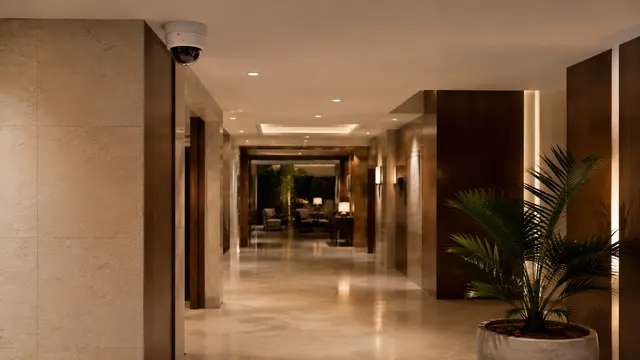
Coordinate guest-facing entrances, parking, service areas, employee access, recording and network infrastructure without disrupting the operating rhythm of the property.
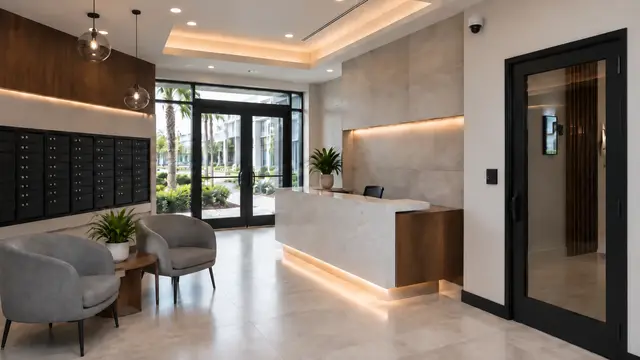
Address towers, garages, vehicle entrances, pedestrian gates, lobbies, common areas and management access across professionally managed communities.
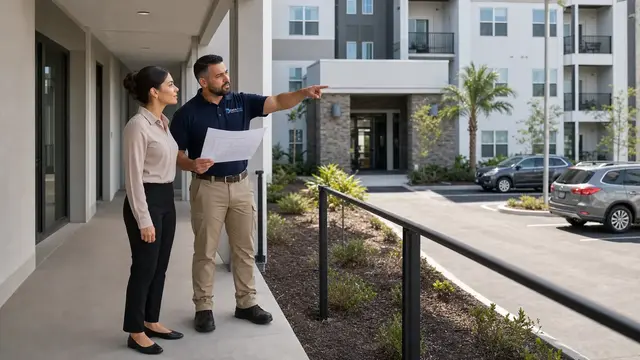
Standardize documentation, account ownership and upgrade decisions across a portfolio without forcing unlike properties into one system design.
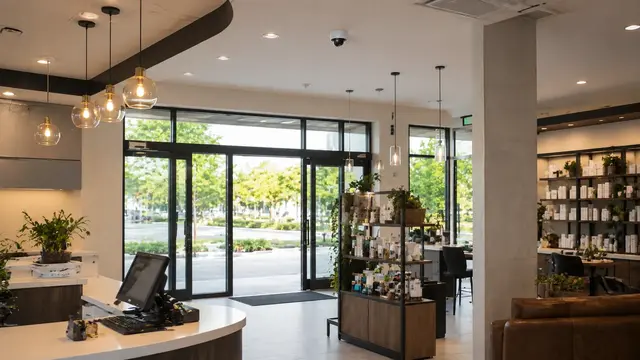
Balance entrances, reception, public areas, cash or asset zones, stockrooms and parking with occupied-space installation constraints.
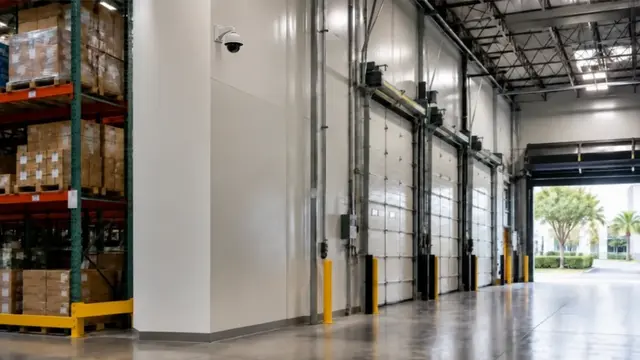
Plan docks, truck courts, yards, gates, long aisles and exterior storage around movement, lighting and evidence needs.
Identify the people, vehicles, transactions or operating areas that require useful live or recorded visibility.
Inspect lighting, angles, obstructions, mounting, cable access, network equipment and distances before final device selection.
Align approved camera and infrastructure work with property access, occupied areas, contractors and system responsibilities.
Review representative images and recordings, establish authorized accounts, confirm naming and deliver usable system records.
Guest entrances, front desk approaches, parking, service corridors, loading and employee doors require distinct views and carefully assigned access.
Vehicle entrances, garages, lobbies, common areas, elevators and network closets can make phased upgrades and multi-floor transport central to planning.
Docks, yards, gates, long aisles and exterior storage introduce distance, movement and nighttime image challenges.
Reception, public paths, parking and controlled areas call for discreet installation and clearly limited user permissions.
Inventory areas, service lanes, visitor parking, staff entrances and event-related traffic require scene-by-scene priorities.
FAQ
Projects may involve hotels, resorts, condominiums, managed communities, offices, retail properties, healthcare and professional buildings, warehouses, industrial sites, automotive facilities, construction work and other professionally operated properties. The actual scope depends on the site's views, infrastructure and operating needs.
Yes. Existing cameras, mounts, cabling, switches and recorders can be inventoried before deciding what remains useful. Compatibility, image quality, cybersecurity, retention and serviceability determine whether reuse is practical.
Data Pro Communications can evaluate commercially scoped hotel, resort, condominium and managed-property projects. Planning may address entrances, lobbies, garages, service areas, common spaces, network closets and exterior equipment exposure without promising a particular outcome.
They can be planned as related systems when the selected platforms and property workflow support the connection. The camera supplies visual context, while access control, intercom or gate equipment continues to perform the entry function.
Distance, building separation, pathway conditions, bandwidth, electrical environment and future capacity all matter. Fiber is often considered for interbuilding or long backbone connections, while copper remains appropriate for supported local device runs.
Storage depends on camera count, resolution, frame rate, compression, scene activity, recording schedule and retention target. A useful estimate is based on representative settings and then checked against the operational review period.
Remote access may be configured when the recorder or video platform supports it and the network and account controls are appropriate. User roles, account ownership and secure access methods should be established during planning.
No. Analytics depend on the supported platform, scene, camera angle, lighting, obstructions, configuration and event definition. Detection tools assist a workflow but do not guarantee that every event will be identified.
No walk-in or continuous staffing claim is made. Use the listed phone, email or project form to coordinate communication before attempting an in-person visit.
Data Pro Communications reviews commercial projects in Daytona Beach, along the East Volusia coast, throughout additional Volusia County communities and in select Flagler County markets. Scheduling and technical feasibility are confirmed for the individual property address.
No. Image usefulness depends on placement, lighting, obstructions, recording health, retention, maintenance and the event itself. Planning can reduce avoidable gaps but cannot guarantee a specific capture or result.
Provide the full property address, property type, current system information, required views, known network or pathway conditions, target timing and the people involved in facilities or IT decisions.
Share the property address, the scenes that matter, and what your team needs to review live or after an event. We can use that information to identify a sensible survey and planning path.