
New and Existing Systems
Services range from ground-up camera installation to repair and staged modernization.
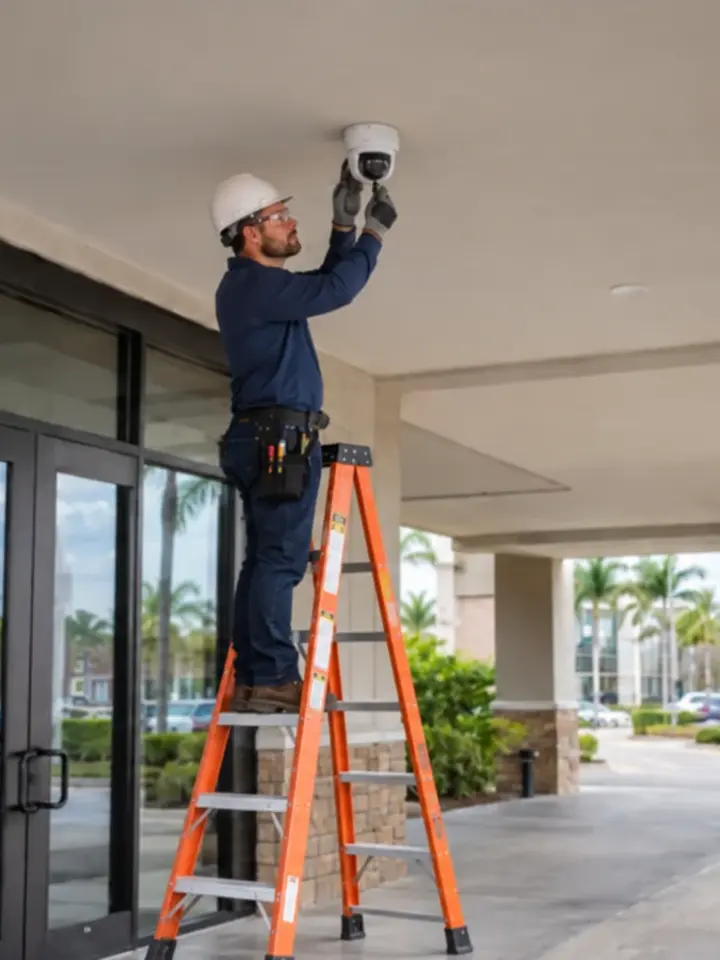
COMMERCIAL VIDEO SURVEILLANCE
Use this service overview to identify whether the project starts with a new installation, an inherited CCTV system, a recording problem, a planned upgrade or a fault that needs diagnosis.
Each camera service is scoped around the view, evidence requirement, network path, recording environment and operator workflow at the property rather than a preselected equipment package.
Services range from ground-up camera installation to repair and staged modernization.
Live view, search, export, retention and operator permissions are considered alongside camera placement.
Recorder, VMS and analytics decisions depend on compatibility, scale and supported use cases.
Exterior exposure, garages, detached structures and long pathways are evaluated for the actual property.
A new installation, a recorder replacement and an intermittent image problem are not the same project. The right service starts with the current state of the system and the operational question the buyer needs the finished video to answer.
Daytona properties add their own constraints: guest-facing work windows, condominium access, garage lighting changes, outdoor exposure, long parking views and systems distributed across buildings or floors. These conditions are evaluated within the appropriate camera service rather than treated as a separate equipment package.

Plan new commercial camera views, pathways, recording and commissioning as one property-specific installation.
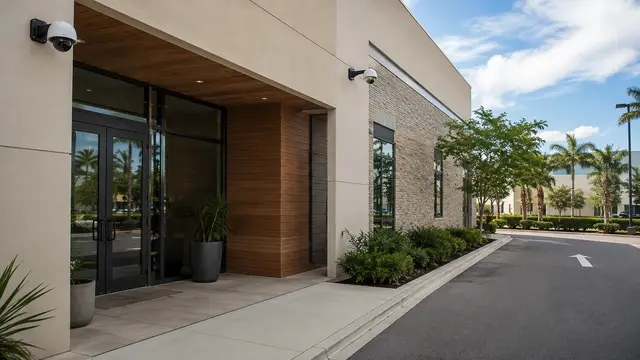
Modernize analog, IP or hybrid CCTV environments without assuming that every existing cable or device must be discarded.
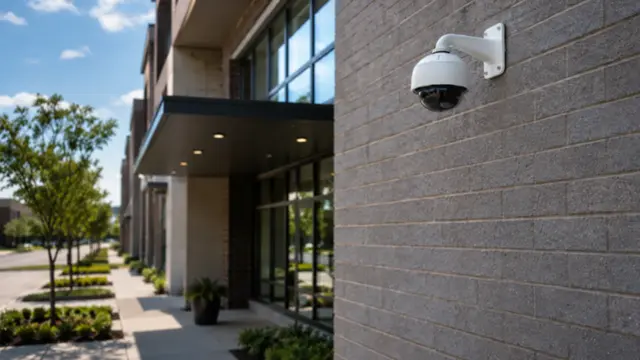
Build networked video around supported cameras, PoE, uplinks, cybersecurity coordination and maintainable system access.
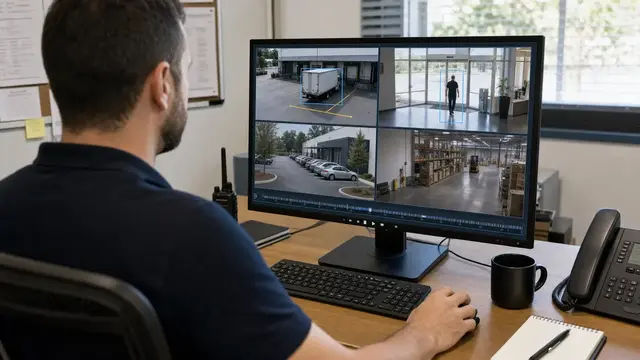
Evaluate analytics against the scene, lighting, camera position, event definition and human review process instead of treating detection as a guarantee.
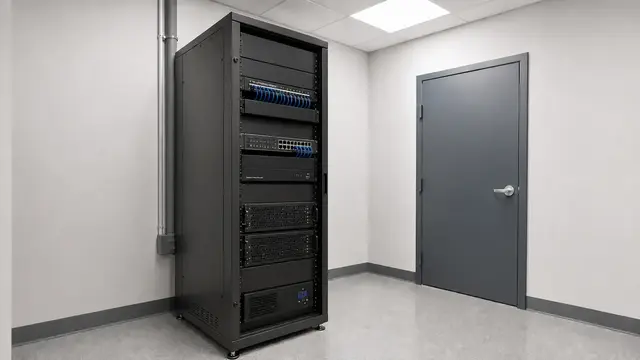
Coordinate recording, retention, user roles and authorized remote access with available bandwidth and account ownership.
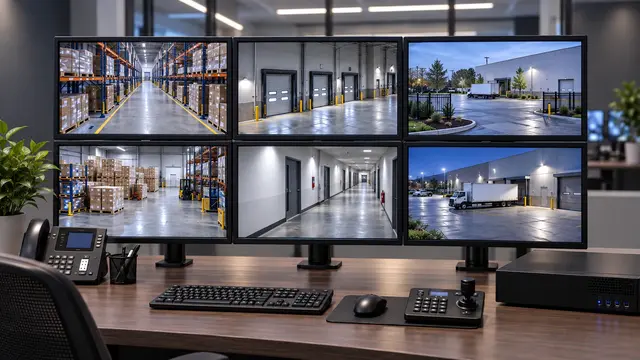
Organize live view, search, export and multi-site operator workflows when a basic recorder interface is not enough.
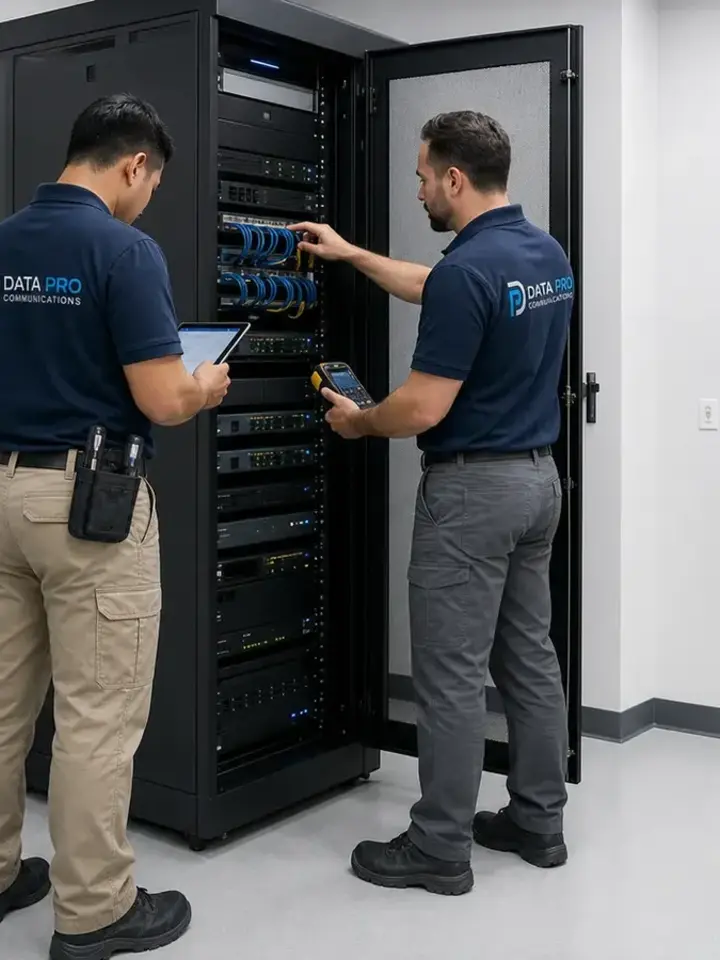
Inventory useful cameras, cabling, mounts, recorders and network components before planning a staged or full modernization.
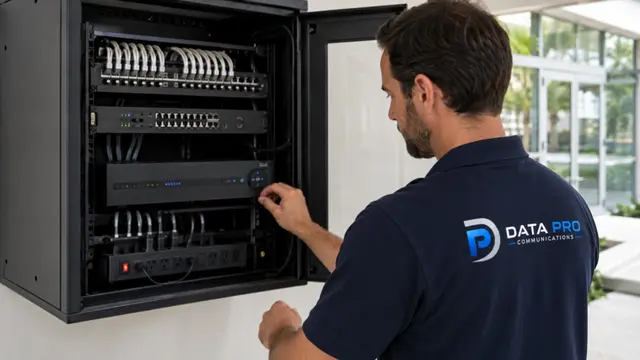
Trace image loss, recording faults, damaged pathways, network issues and account problems to the actual failure point.
Begin with installation planning that connects required views to pathways, recording and commissioning.
Use upgrade planning to compare present capabilities with image, retention, access and service requirements.
Troubleshooting should isolate the failure before a large replacement scope is assumed.
Review recorder and VMS workflows, user roles, storage and network conditions.
First confirm the scene, supported platform and acceptable limitations for analytics.
Hotels and resorts may need separate planning for guest arrival, lobby approaches, parking, service corridors and employee entrances. Condominium properties add board or management workflows, garages, common areas and multi-floor equipment distribution. Commercial and industrial sites introduce loading, yards, inventory, production or controlled work zones.
Coastal exposure and outdoor placement should be reviewed at the specific mount, cable transition and equipment location. No general product rating substitutes for site conditions, installation details and a plan for inspection and service.
A camera project may depend on structured cabling to create labeled copper pathways for cameras, access devices, wireless access points, phones and other commercial network endpoints, especially when image reliability rests on transport, equipment access or controlled entry.
A camera project may depend on network infrastructure to plan switching, racks, uplinks and equipment organization around the devices and operational responsibility at the property, especially when image reliability rests on transport, equipment access or controlled entry.
A camera project may depend on fiber optic services to connect buildings, floors or distant equipment locations where copper distance or electrical conditions make fiber the appropriate backbone, especially when image reliability rests on transport, equipment access or controlled entry.
A camera project may depend on access control systems to manage credentialed doors, user permissions and event records while coordinating related camera views where useful, especially when image reliability rests on transport, equipment access or controlled entry.
A camera project may depend on gate entry systems to coordinate vehicle entry, visitor communication, access equipment and camera context at commercial or managed-property gates, especially when image reliability rests on transport, equipment access or controlled entry.
Record the locations and events that require overview, recognition, identification or dedicated plate detail.
Review lighting, obstructions, mounting, network paths, recording location and any existing equipment.
Choose installation, modernization, recording/VMS work or troubleshooting based on the installed condition.
Verify representative live and recorded evidence, operator access and documentation for the accepted scope.
FAQ
Security Camera Installation is the usual starting point for a new system because it brings views, pathways, recording, access and commissioning into one property-specific scope.
Commercial CCTV may include analog, IP or hybrid environments and staged transitions. IP video surveillance uses networked cameras and requires deliberate PoE, switching, bandwidth, cybersecurity and recording planning.
A VMS may be useful when operators need multi-site viewing, advanced search, centralized permissions, integrations or a workflow beyond a basic recorder interface. Product fit depends on the organization and system scale.
Possibly. Supported resolution, channel capacity, storage, software status, user access and compatibility must be checked before an older recorder is retained.
Troubleshooting may examine device power, cabling, switches, network reachability, recorder services, storage health, time settings, credentials and the path between the camera and recording platform.
No. Remote access depends on the recorder or platform, network policy, internet connectivity, account controls and the approved scope. It should be configured for authorized users rather than assumed.
Not necessarily. Overview coverage and plate capture often require different positions, lenses, exposure settings and scene geometry. A dedicated plate view may be needed.
Columns, ramps, lighting transitions, vehicle paths, pedestrian routes, ceiling height and network reach affect garage coverage. Each scene should have a defined observation or identification purpose.
Exposure, mounting hardware, enclosures, cable transitions, equipment location and service access should be reviewed for the actual site. No device should be assumed suitable solely because it is labeled for outdoor use.
Start with the failure, the required image quality, supported software, available storage, pathway condition and business impact. A repair may restore a suitable system, while recurring limitations can justify a staged upgrade.
Describe the scenes that matter, the present equipment and the review workflow your organization needs. Data Pro Communications can then direct the inquiry toward installation, modernization or troubleshooting.