
Guest and Staff Flows Distinguished
Public entrances, service doors, back-of-house areas and controlled rooms receive different planning.
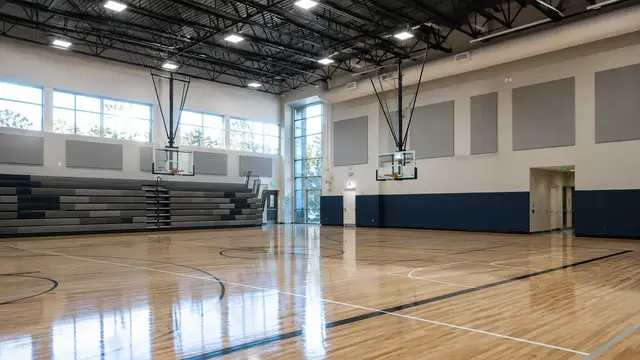
TECHNOLOGY FOR VISITOR-FACING, STAFF AND SERVICE OPERATIONS
Restaurants, entertainment properties and event venues move guests, staff, deliveries and vehicles through spaces that can change by time of day or event. Data Pro Communications plans cameras, access and network infrastructure around those operating patterns and the property's authorized review workflow.
Technology may support operations and evidence review, but it does not guarantee event security, crowd outcomes or incident prevention.
Public entrances, service doors, back-of-house areas and controlled rooms receive different planning.
Temporary layouts, queues and schedule changes are discussed before final camera placement.
Vehicle and pedestrian approaches are mapped around lighting and operating periods.
Cameras, access and business connectivity are coordinated with responsible IT personnel.
Equipment and workflows should be selected for the operator's entrances, service areas, parking and controlled spaces.
A restaurant may prioritize customer entry, service doors, parking and back-of-house circulation. An entertainment or event property may add ticketing, controlled staff areas, variable layouts and peak arrival periods.
The system design should reflect those transitions while keeping camera placement, access permissions and retention aligned with the operator's policies.
Plan views around arrivals, queues and public circulation according to the venue layout.
Manage selected employee, delivery and restricted-area openings.
Provide suitable camera context around service corridors, storage or receiving where authorized.
Review vehicle and pedestrian movement before events and during regular operations.
Support cameras, access points and other commercial endpoints during renovation or layout changes.
Observe queues, lighting and traffic during representative busy periods.
Account for movable barriers, staging, displays and furniture that can block views.
Define authorized staff, vendor and delivery workflows outside public periods.
Set retention and export expectations around the operator's actual incident workflow.
Daytona's visitor and event economy creates restaurants and entertainment properties with changing occupancy, parking and service activity. That relevance does not justify naming a specific venue or claiming event-security expertise.
Coastal and outdoor-facing properties may require equipment placement and pathways suited to exposure and service access.
Restaurants and event properties emphasize changing occupancy, service periods and temporary layouts, while hotels and resorts add overnight guest and room-floor operations.

Plan visitor, staff, parking and service-area views around defined scenes.
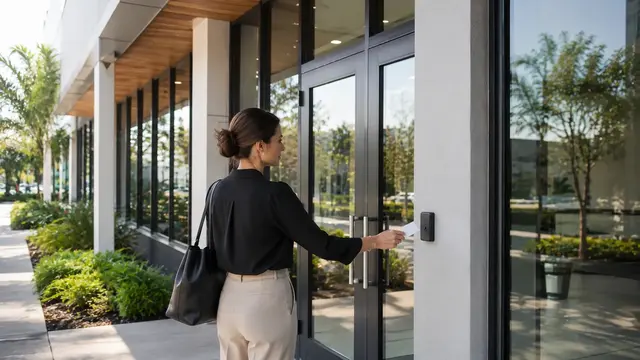
Manage selected employee and restricted-area doors.
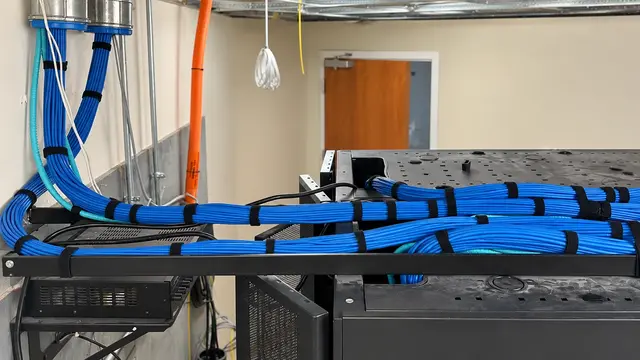
Support cameras, access devices and commercial network endpoints.
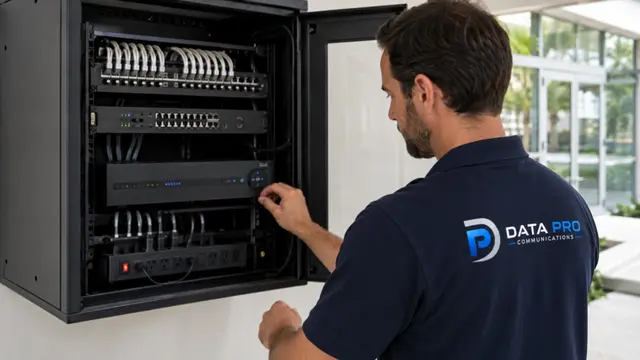
Document faults and prioritize work around operating schedules.
Map arrival, service, staff, delivery, parking and after-hours activity.
Review lighting, layouts, entrances, pathways and network rooms.
Plan installation around service periods, events and other contractors.
Confirm representative views, access events and administrative records.
FAQ
Operators may review guest entrances, parking, staff and service doors, receiving, selected back-of-house areas and controlled rooms.
Temporary stages, barriers, queues, displays and furniture can change sightlines. The design should consider representative configurations.
Selected employee, delivery and restricted-area doors can use credentials when the opening and operating workflow support it.
Observe vehicle and pedestrian approaches, lighting, peak arrival, staff routes and available network or mounting locations.
Yes. Coordinating cameras, access points, phones and network endpoints before finishes close can improve pathway organization.
The operator should define authorized users, call destinations, credentials and camera context for deliveries outside public periods.
No. Technology can support operations and evidence review but cannot guarantee security, crowd outcomes or incident prevention.
Often, after the installed cameras, recorder, cabling, network and event priorities are inventoried.
Operators should identify which entrances, service areas or restricted zones change during events and determine whether credentials, intercom procedures or camera views need temporary operational adjustments. Permanent infrastructure should be planned around repeatable use cases rather than one unusual event layout.
Share operating periods, event configurations, guest and service entrances, parking, restricted areas, current systems and authorized stakeholders.
Share the venue type, operating periods, guest and service entrances, parking and current system concerns. Data Pro Communications can prepare for a site-specific review.