
Dedicated Plate View
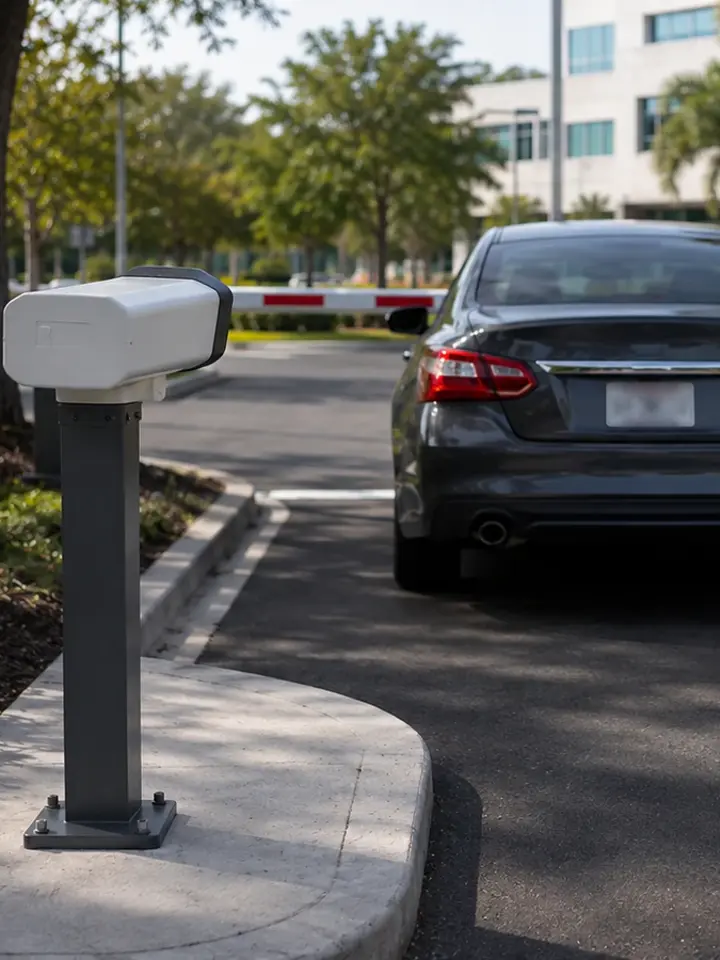
Use a view sized and exposed for the plate rather than relying on a wide overview image.
Commercial Entrance Planning Guide
License plate recognition begins with a usable image of a plate in the actual lane. Vehicle speed, approach angle, camera height, lighting, lane width and the number of possible travel paths determine whether the view can support dependable review.
A planning survey should separate the dedicated plate view from the overview camera that explains vehicle context. It should also confirm network reach, recording, event workflow and the way staff will verify or act on captured plate information.
Use a view sized and exposed for the plate rather than relying on a wide overview image.
Measure approach paths, angles, distances and mounting positions at the actual lane.
Test daylight, headlights, shadows and site lighting across representative conditions.
Define how plate events are searched, verified, retained and used by authorized staff.
LPR is a specialized capture task. A general-purpose camera may show that a vehicle entered, yet still fail to preserve a readable plate because the target is too small, blurred, overexposed or outside the intended lane.
The design should document the capture zone, plate size, vehicle direction, speed assumptions, day and night conditions, mounting limits and the desired result. That evidence gives the proposal a measurable basis.

Include normal lanes, visitor approaches, bypasses, turn movements and any point where a vehicle can avoid the intended view.
Choose a short, predictable section where plates face the camera within supported angles.
Pair the narrow plate view with an overview when operators need vehicle type, color or incident context.
Review sunlight, darkness, headlights, rain, traffic spacing and typical vehicle speeds.
State whether staff need search, watchlists, gate events, exports or simple recorded verification.
Confirm whether one camera can control one predictable lane or multiple paths require separate views.
Keep the plate within the camera and application limits instead of forcing an extreme side or overhead view.
Calculate the required plate detail at the selected capture point.
Use realistic approach speed and exposure requirements for the property.
Account for glare, backlight, shadows, infrared behavior and reflective plates.
Choose a rigid, serviceable position protected from unnecessary vibration or movement.
Verify PoE distance, surge considerations, pathways, switch capacity and uplinks.
Plan event metadata, search, storage and export around the authorized business use.
Confirm the exact camera, analytics, VMS or access platform combination supports the required events and metadata.
Maintain correct timestamps, recording status and device monitoring so plate events can be investigated.
Document loops, access credentials, intercom calls and safe gate operation without treating plate recognition as the only control.
Use managed credentials, supported firmware, appropriate segmentation and controlled remote access.
Define authorized use, access, retention and disclosure with the property owner's legal and policy advisers.
Determine whether current cameras provide context, plate detail or neither before retaining them.
Verify conduit, cable distance, switch capacity, power and enclosure space.
Document how credentials, visitors, intercom calls and exceptions currently work.
Use representative vehicles and lighting before treating a proposed mounting point as final.
Coordinate plate views with ramps, access lanes and overview coverage.
Support management workflows without replacing credentials, intercoms or visitor procedures.
Plan vehicle context around valet, guest, service and parking movements where applicable.
Capture controlled truck or service entrances with suitable distances and speeds.
Separate inventory, service and customer lanes according to operational needs.
Daytona-area condominiums, hospitality properties, garages, managed communities and commercial sites can have very different vehicle patterns. A beachfront driveway, structured garage ramp and inland service yard do not share the same geometry or lighting problem.
Site-specific field review is therefore more useful than a citywide assumption. The final capture zone should be based on the entrance, representative traffic and the property's actual verification workflow.

Install the dedicated plate and overview views with documented commissioning.
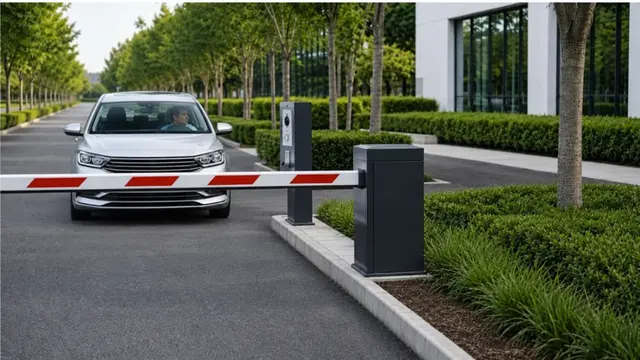
Coordinate vehicle access equipment and operating workflows.
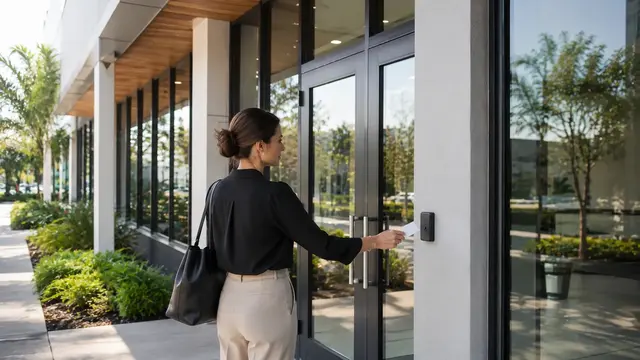
Manage authorized entry through controlled credentials and permissions.
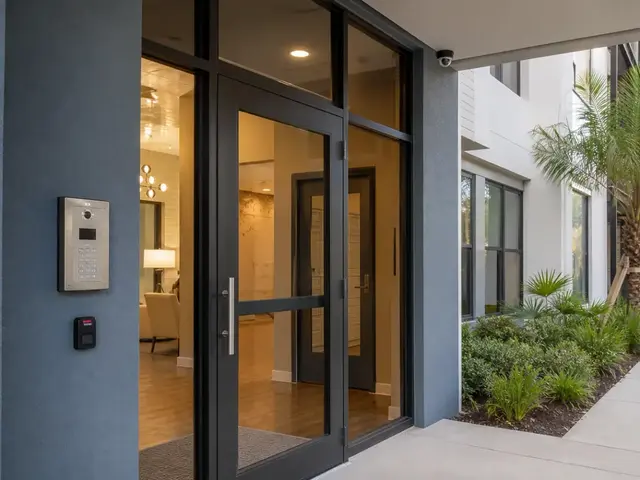
Support visitor communication at gated or controlled approaches.
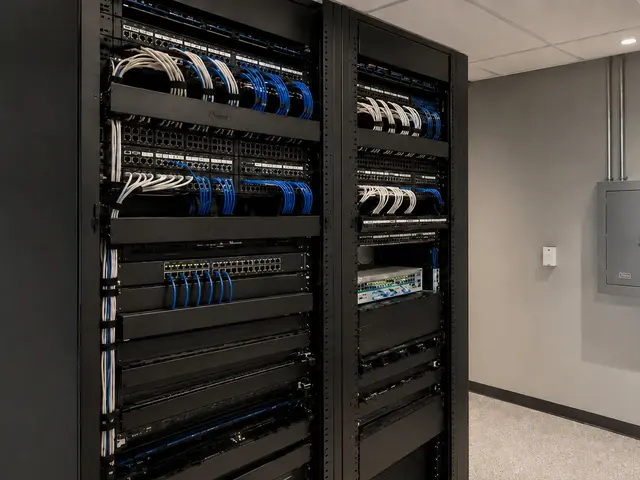
Provide switching, segmentation and monitored connectivity.
Build labeled pathways to entrance equipment and nearby cabinets.
Coordinate lane views with wider parking coverage.
Review gates, garages and high-rise infrastructure together.
Align entrance views with hospitality operations.
Extend reliable connectivity to remote entrances.
State what information operators need and how they will use it.
Measure lanes, approaches, speeds, mounting points, lighting and pathways.
Choose separate plate and overview coverage with documented target detail.
Test representative vehicles and day/night conditions before final acceptance.
Verify recording, metadata, search, alerts, permissions and documentation.
Data Pro Communications supports commercial security camera and related low-voltage projects under FL License #EC13016138. Project scope, permitting responsibilities and coordination with other trades depend on the property and accepted work.
FAQ
Often it is not. An overview camera may explain vehicle context while a dedicated plate camera provides the tighter target size, angle and exposure needed for readable plates.
Only when the exact geometry, distance, plate size and application limits support both paths. Separate controlled lanes often need separate capture views.
A steep horizontal or vertical angle distorts the plate and reduces usable character detail. The capture point and mounting position should keep angles within the selected system's tested limits.
Headlights and reflective plates can overwhelm a normal exposure. The camera, illumination and shutter behavior should be tested at night with representative vehicles.
It can participate in an entry workflow when the selected platforms support it, but the design must define verification, exceptions, credentials, gate safety and what happens when a plate is unreadable.
An overview is useful when operators need vehicle color, type, direction, occupants or incident context beyond the plate image.
Reuse depends on the exact camera, lens, mounting location, target size, exposure control, lighting and software support. A field test is the practical way to verify it.
Review cable distance, PoE, switch capacity, uplinks, surge strategy, segmentation, recording bandwidth and service access at the mounting location.
The property should define a documented business purpose, authorized users, retention period and disclosure process with appropriate legal and policy guidance.
Test representative plates, vehicle speeds, lane positions, daylight, darkness, headlights, event search, timestamps, recording and exports against the agreed criteria.
A useful plate-capture plan starts with lane geometry, target detail, lighting and an operational workflow. Data Pro Communications can review the entrance and the supporting camera, gate and network requirements.