
Clarify the Decision
Separate coverage, infrastructure, operations and administration questions before product selection.
DECISION GUIDES FOR COMPLEX COMMERCIAL PROPERTIES
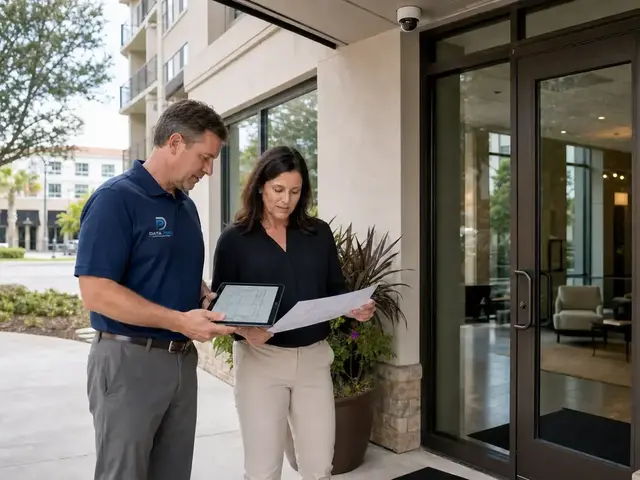
A useful camera project begins before equipment is selected. Property teams need to define the events they want to review, the buildings and operating zones involved, the infrastructure already available and the people who will use the finished system.
The Data Pro Communications blog organizes those decisions around Daytona-area commercial conditions, including hospitality operations, oceanfront condominiums, parking structures, coastal exposure, existing-system upgrades, property entrances and multi-building networks.
Separate coverage, infrastructure, operations and administration questions before product selection.
Identify cabling, fiber, network, power-coordination and access requirements that influence the system.
Help owners and managers arrive with site information that makes field review more productive.
Show when a professional survey, system inventory or implementation proposal becomes the appropriate next step.
Each article addresses a different planning problem. Hotel and condominium articles begin with operating zones and management responsibilities. Coastal and parking guides focus on physical conditions. Upgrade, LPR and multi-building infrastructure guides examine compatibility, geometry, pathways and verification.
The blog is educational rather than a substitute for site-specific engineering. Measurements, product compatibility, local requirements and installation conditions must still be confirmed for the individual property.
Start with the hotel or oceanfront condominium guide when property workflow drives the project.
Use the coastal-equipment guide when outdoor placement, enclosures and serviceability are central.
Use the parking or LPR guide to separate broad situational views from dedicated vehicle-detail requirements.
Use the upgrade guide to inventory cameras, recorders, cabling, networks and user workflows before replacement.
Use the multi-building guide to plan pathways, telecom spaces, fiber, capacity and documentation across a property.
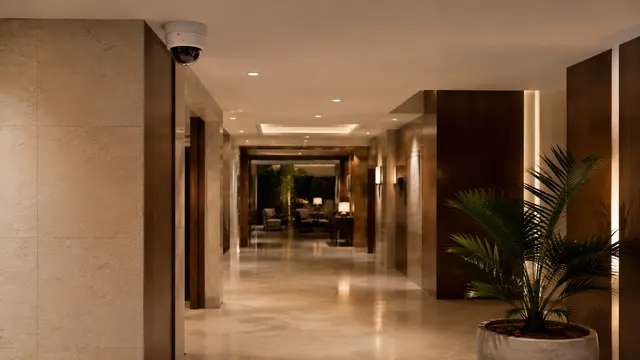
Plan guest-facing, employee, service, parking and back-of-house camera requirements around occupied operations.
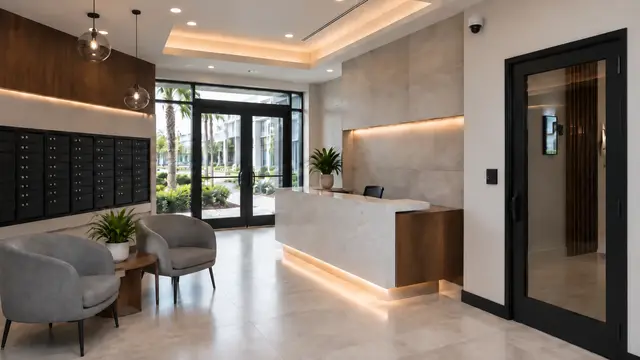
Coordinate garages, lobbies, vehicle entrances, management workflows and vertical infrastructure.
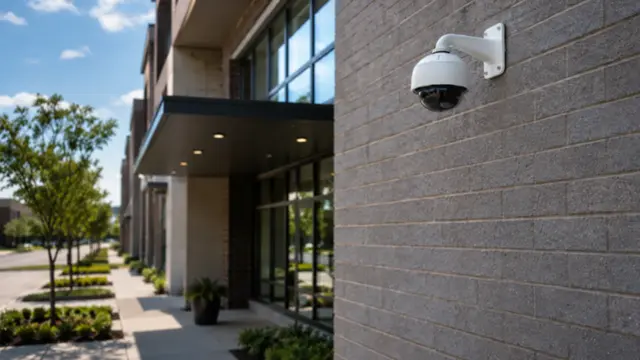
Evaluate exposure, placement, mounting, pathways, enclosures and maintenance access.
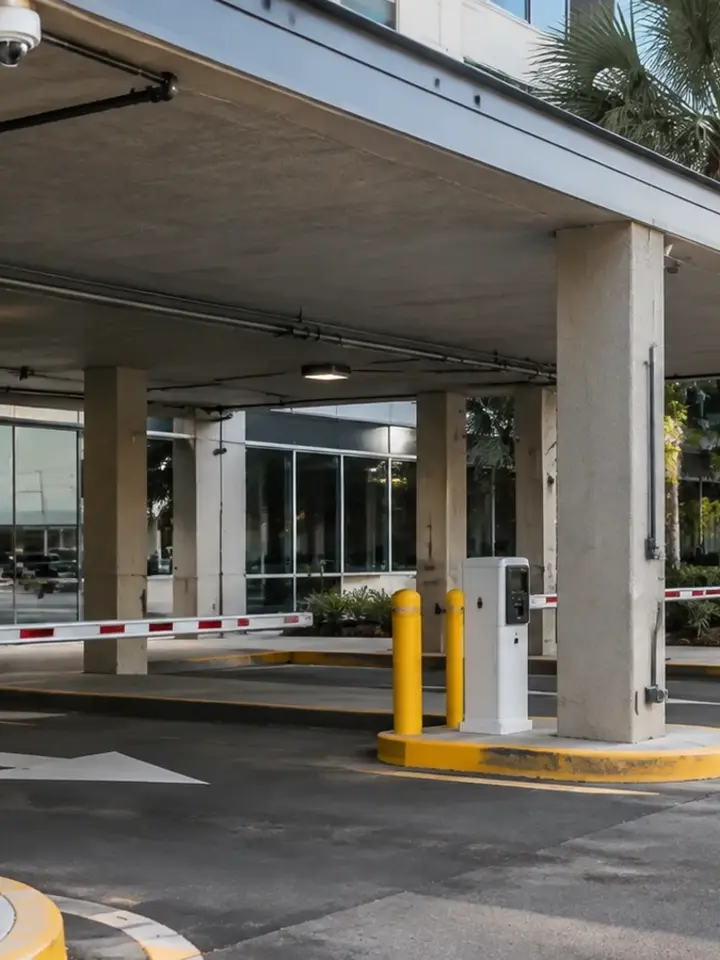
Define coverage objectives, lighting, obstructions, lane movement and recording needs.
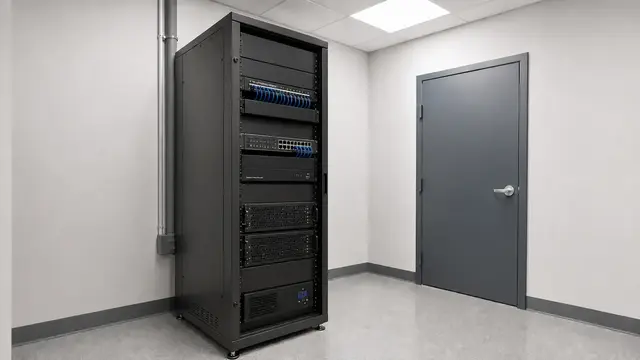
Compare reuse, replacement, compatibility, storage and phased cutover options.
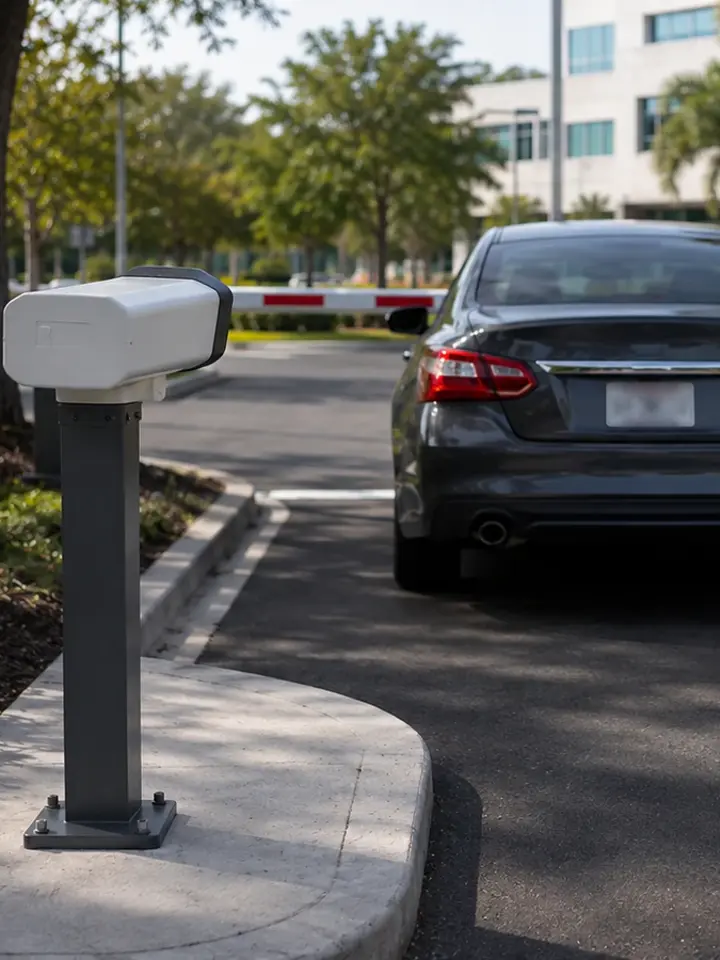
Review lane geometry, capture distance, angles, lighting and verification requirements.
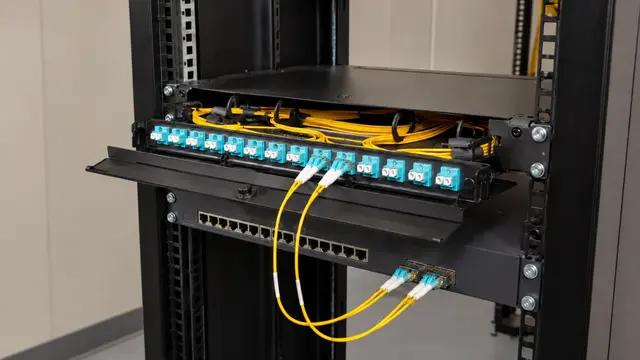
Plan campus pathways, backbone links, telecom rooms, capacity, testing and records.
Return here to select the guide that matches the current planning question.
Collect site plans, floor plans, garage diagrams or a marked aerial showing buildings and entrances.
Record camera, recorder, VMS, switch, rack, cabling and account information that is available.
List the events, areas and review workflows that matter to management and authorized users.
Identify facilities, IT, property-management and construction stakeholders who control pathways or networks.
Note occupancy, work windows, lifts, permits, exterior access and upcoming renovation or expansion.
Describe weak views, failed components, storage limits, difficult searches or administration problems.
Export configuration, camera lists and system records before major changes when practical.
Check exact models, firmware, licenses and supported functions rather than assuming components interoperate.
Address the most important review tasks and infrastructure risks before optional feature additions.
Translate daily operating issues into survey questions and system priorities.
Prepare for PoE, switching, segmentation, bandwidth, storage and remote-access decisions.
Compare phased modernization, capital planning and property-specific implementation choices.
Coordinate pathways, telecom rooms, sleeves, racks and closeout documentation before finishes.
Define how video, access events and system records will be used after commissioning.
The Daytona Beach and Volusia County market includes oceanfront lodging, high-rise managed properties, commercial corridors, industrial sites, parking structures and multi-building operations. Those settings create different combinations of occupancy, exterior exposure, access, distance and network dependency.
A guide can organize the right questions, but the property address, building conditions and operating team determine the final design. Data Pro Communications uses the planning discussion to decide when a site survey or existing-system inventory is warranted.

Move from planning criteria to a property-specific commercial camera scope.
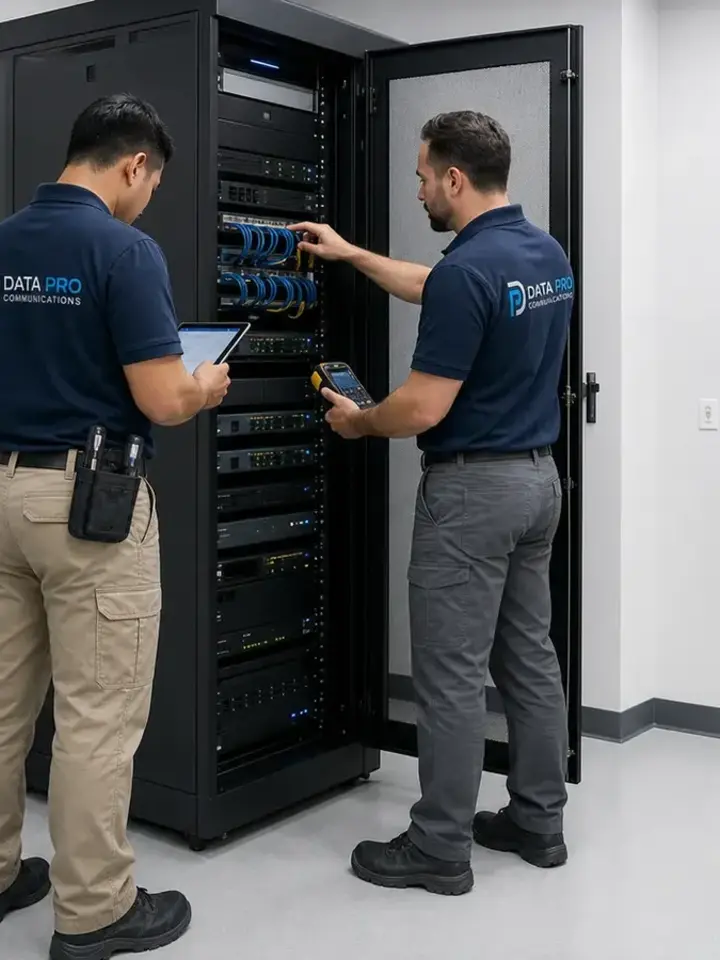
Assess which existing components remain useful and where modernization is needed.
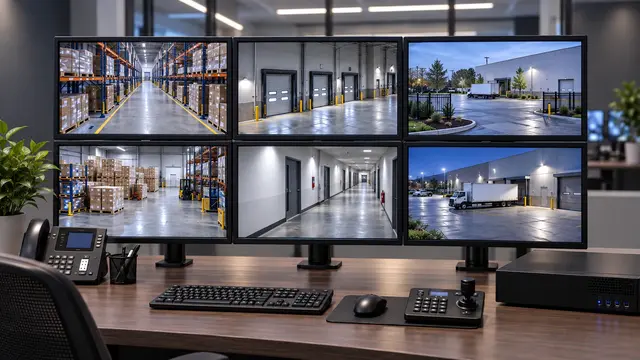
Evaluate recording, search, permissions and multi-site administration.
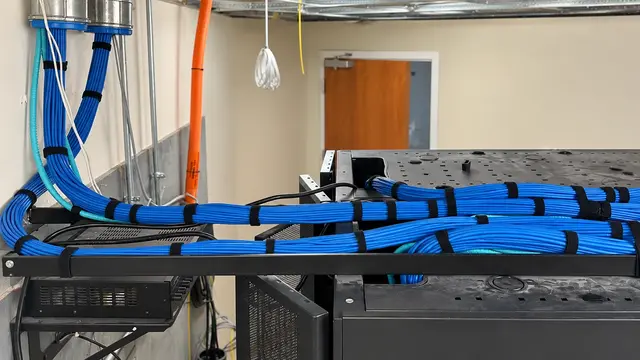
Plan labeled copper pathways for cameras, access devices and network endpoints.
Connect distant equipment rooms or buildings with a tested backbone.
Coordinate controlled openings and credentials when entry workflows are part of the project.
Guest, employee, parking and back-of-house project decisions.
Garage, entrance, common-area and vertical-infrastructure decisions.
Vehicle-area coverage, lighting, lane geometry and LPR considerations.
Compatibility, staged modernization, pathways, fiber and capacity.
Use the property environment or technical issue to choose the first guide.
Collect drawings, equipment records, photographs and stakeholder requirements.
Separate essential operational outcomes from optional features.
Discuss the property and determine whether a survey or inventory is appropriate.
Confirm that devices, infrastructure, testing and documentation answer the stated requirements.
Data Pro Communications supports commercial security camera and related low-voltage projects under FL License #EC13016138. Project scope, permitting responsibilities and coordination with other trades depend on the property and accepted work.
FAQ
Begin with the operating problem and property layout. Identify the events that need review, the priority areas, the people who will use the system and the infrastructure already present before discussing camera models.
No. Guides help organize requirements and questions, while a survey confirms views, measurements, pathways, lighting, mounting, equipment spaces and installation conditions at the property.
Camera and recorder models, firmware, licenses, passwords under proper control, network diagrams, storage settings, cable labels, service history and user lists can all improve an upgrade review.
Facilities typically owns building access, pathways and operating constraints, while IT controls network architecture, addressing, cybersecurity and remote connectivity. Both groups should approve the dependencies in the final scope.
Discuss them when entry events, visitor communication or controlled openings are part of the operational problem. Integration should follow a defined workflow rather than being added as a feature list.
A useful view has a stated purpose, appropriate detail, representative lighting performance, a practical mounting position and a clear relationship to recording and authorized review.
Pathways, sleeves, telecom spaces and rack locations should be coordinated before walls and ceilings close. Early planning preserves placement options and reduces rework.
Yes. Parking, upgrade, LPR and multi-building infrastructure decisions can appear in hotels, condominiums, offices, industrial sites and other commercial environments.
Compare coverage objectives, equipment and licenses, cabling or fiber scope, network assumptions, recording, testing, documentation, exclusions and the process for changes or acceptance.
A review is useful once the team has the property address, operating environment, priority areas, existing-system information and decision timeline. Incomplete records can be resolved during a survey when the project is a fit.
Share the property type, current system and the decision that needs to be made. Data Pro Communications can help determine which information should be gathered before a survey or proposal.