
Site Inventories Use Common Fields
Cameras, doors, recorders, network rooms and known issues can be documented in a repeatable format.
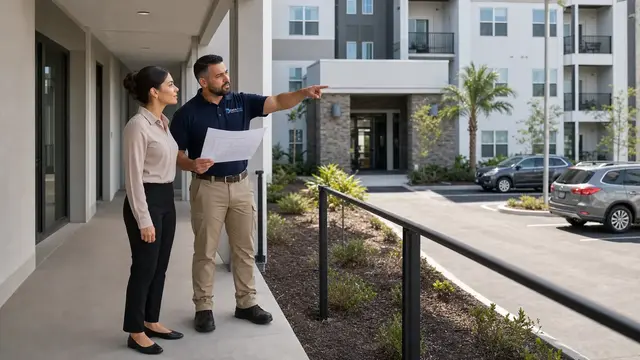
PORTFOLIO OVERSIGHT WITH SITE-SPECIFIC IMPLEMENTATION
Property management companies need consistent records and service expectations across buildings that may have very different cameras, access platforms and network conditions. Data Pro Communications helps management teams evaluate each site without forcing one hardware plan onto every property.
Portfolio work can emphasize system inventory, user ownership, upgrade priorities, vendor coordination and documentation that remains useful when personnel or management assignments change.
Cameras, doors, recorders, network rooms and known issues can be documented in a repeatable format.
Each location is ranked by operating need, system condition and access constraints.
Credentials, contacts, exports and service approvals are assigned to authorized roles.
Management can review repair, phase and replacement options using consistent evidence.
Completed changes and unresolved conditions remain attached to the correct property record.
A portfolio may include condominiums, offices, retail sites, associations or mixed-use properties. The buyer's challenge is coordinating vendors, budgets, access and documentation across those environments, not operating a single property type.
Standardized naming and records can improve oversight while site surveys preserve the technical differences that matter. A coastal tower and inland office should not receive identical equipment assumptions simply because the same firm manages both.
Build property-level records for devices, accounts, equipment locations and support conditions.
Organize authorized viewing and export access while keeping property permissions separated.
Document who administers residents, staff, vendors or tenant permissions at each site.
Prioritize recurring faults, unsupported platforms and infrastructure constraints across budget cycles.
Provide site contacts, access windows, closeout expectations and escalation paths for accepted work.
Use stable identifiers for buildings, entrances, racks and device zones across reports.
Keep administrative credentials with authorized ownership rather than individual vendors or former staff.
Record device replacements, network changes and permission updates after each project.
Note construction, exposure, older hardware and owner-association requirements that affect one property.
A Daytona management portfolio may include oceanfront condominiums, inland multifamily communities, commercial offices and retail properties. Equipment exposure, parking, staffing and network distribution vary substantially across those sites.
Management teams can use consistent intake and closeout records while allowing the field design to reflect each building. This is especially useful when older systems and phased renovations have created mixed technology generations.
Service scheduling and technical feasibility are confirmed for each property address.
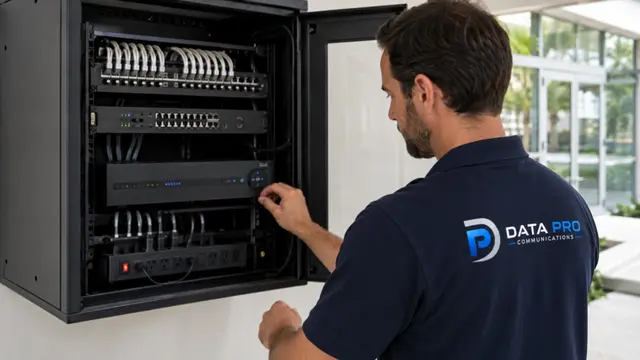
Create property-specific diagnostic and maintenance records for ongoing support.
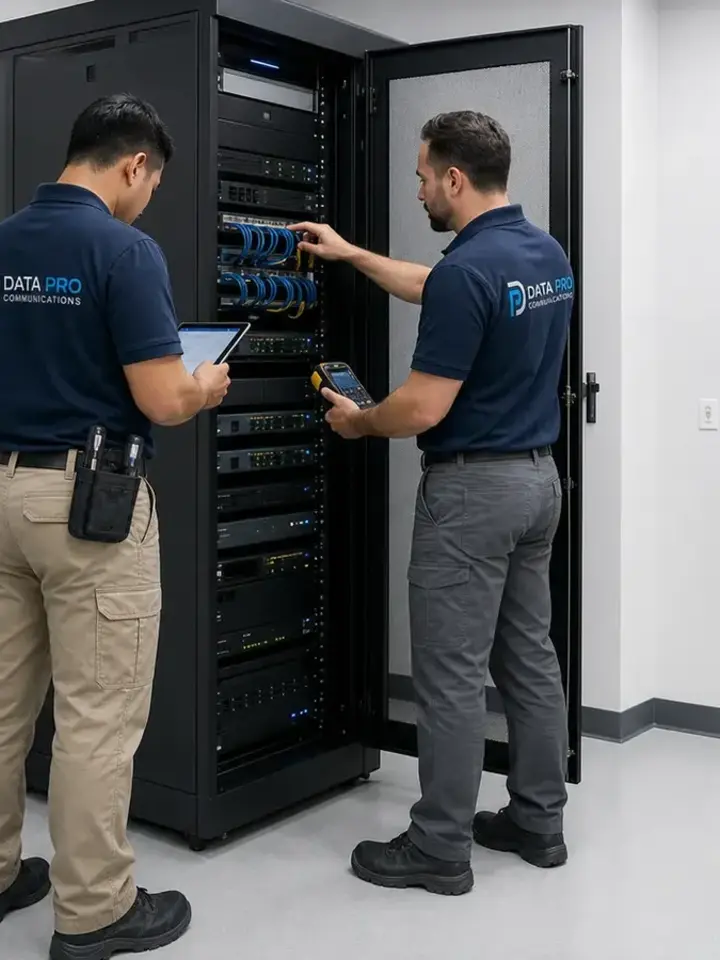
Prioritize modernization where inherited systems no longer meet operating needs.

Organize credential administration and door records across managed properties.
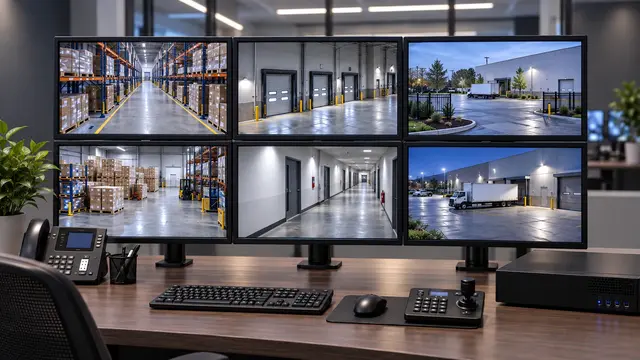
Coordinate authorized multi-site video workflows where platform support allows.
Define contacts, documentation fields, approval roles and service priorities.
Record systems, conditions, accounts, infrastructure and operating constraints.
Separate immediate faults, planned maintenance and capital modernization.
Return updated labels, records and administrative ownership to the management team.
FAQ
Use a consistent inventory for cameras, doors, recorders, network rooms, accounts and current issues. Site-specific conditions should remain attached to each property record.
Not necessarily. Standard administration and documentation can be useful, but equipment must fit building layout, infrastructure, exposure and owner requirements.
Authorized ownership should be documented, former-user access removed and vendor accounts reviewed. Passwords should never be sent through a public inquiry form.
Some platforms support multi-site viewing, but network security, permissions, licensing and equipment compatibility need review. Property access should remain appropriately separated.
Include device counts, models where known, locations, recorders, controlled doors, network rooms, accounts, service history and unresolved conditions.
Rank unsupported equipment, recurring failures, critical operational gaps and infrastructure constraints using evidence from each site.
Yes. Stable fields and naming improve comparison, while property-specific notes preserve differences in construction and operations.
The management organization and property owner should define authorized roles. The installer should not become the permanent owner of community credentials.
Each work order should identify site contacts, access windows, affected areas, approval limits and closeout expectations.
Prepare a property list, known systems, current vendors, recurring concerns, administrative contacts and the reports management needs for budgeting or service.
Share the managed property types, locations, known systems and the records your team needs after service. Data Pro Communications can help define a consistent assessment approach.