
Useful Assets Are Identified
Cameras, mounts, cable and network components are evaluated individually instead of being grouped by age alone.
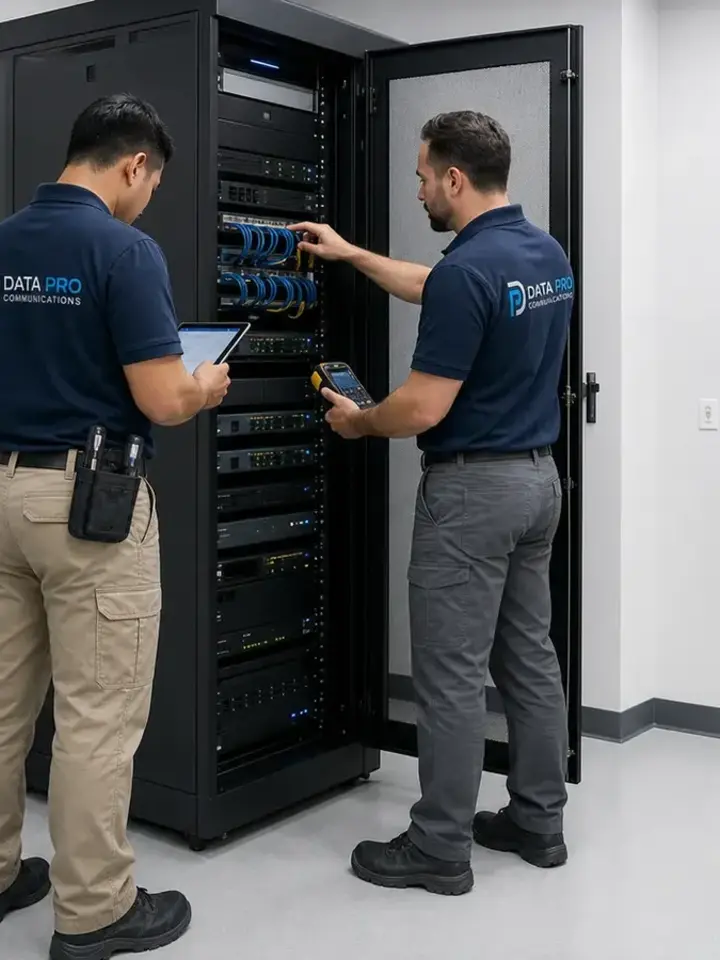
PLANNED MODERNIZATION FOR EXISTING VIDEO SYSTEMS
A camera upgrade should solve a defined problem: weak views, failed recording, limited retention, difficult exports, unsupported remote access or infrastructure that cannot support new devices.
Data Pro Communications inventories the installed system and compares it with the required result, allowing useful equipment to remain where appropriate and separating urgent corrections from later phases.
Cameras, mounts, cable and network components are evaluated individually instead of being grouped by age alone.
Entrances, vehicle approaches, cash or asset areas and recurring incident locations can lead the first phase.
Retention, export and account access are considered before the existing recorder is removed.
PoE, switching, uplinks, racks and pathways are checked for the proposed camera load.
Each stage is designed to move toward a supportable system rather than another isolated patch.
An older camera can still be useful in a low-detail overview role, while a newer camera may fail because it is poorly aimed or connected through an unreliable path. Upgrade planning examines the evidence, not just the model year.
The assessment compares image quality, nighttime behavior, recording health, retention, user access, compatibility and maintainability. The result may be a targeted correction, a staged modernization or a complete platform transition.
Improve the scenes with the greatest operational value before expanding the rest of the system.
Replace unsupported or undersized recording while preserving compatible field devices where sensible.
Move selected areas to network video while controlling compatibility, transport and cutover dependencies.
Add switching, uplinks or fiber where higher-resolution and additional cameras exceed the present infrastructure.
Reestablish authorized ownership, meaningful device names and a usable record of the revised system.
Devices or software without a maintainable path may need replacement even if they still produce an image.
Intermittent links, water intrusion, poor terminations or overloaded power can make new cameras appear unreliable.
Higher-resolution streams may require recorder, drive, switch and uplink changes beyond the camera itself.
Occupied sites need a sequence for temporary loss of views, account changes and acceptance testing.
Hotels and resorts may renovate guest-facing, parking and service areas at different times. A phased camera plan can follow construction and operating windows while keeping the final platform coherent.
Condominium communities often inherit cameras and recorders installed under earlier boards or management companies. An inventory helps separate physical condition from undocumented account or administrative problems.
Commercial offices, retail properties, automotive facilities and warehouses may prioritize specific entrances, lots, service lanes or inventory areas. The sequence should follow evidence needs and infrastructure readiness, not a uniform camera-by-camera replacement order.
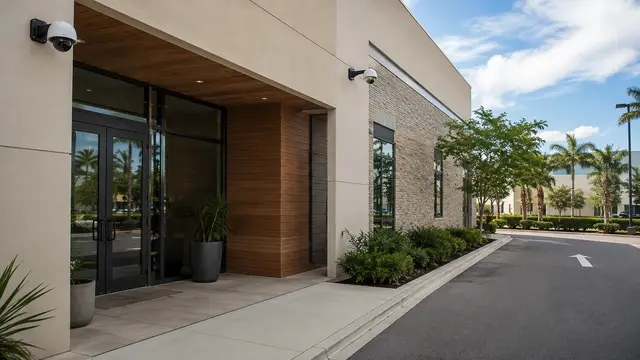
Use analog, IP or hybrid transition methods when existing CCTV formats are central to the modernization plan.
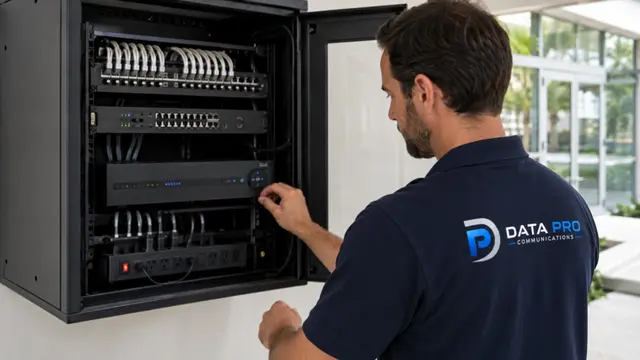
Correct isolated faults before committing to replacement when the broader system still meets its purpose.
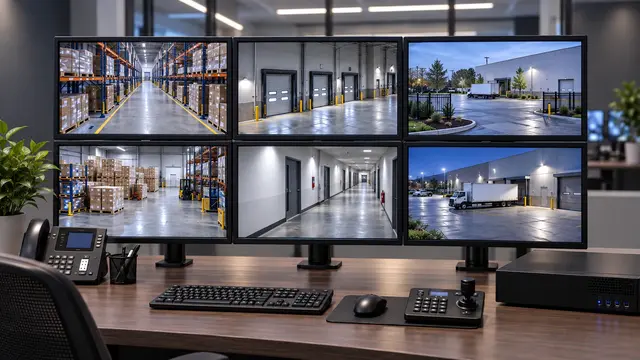
Improve multi-site operation, search and permissions when the current interface is part of the upgrade problem.
Add backbone capacity for remote buildings, towers or distant camera groups where copper is unsuitable.
Record devices, formats, views, pathways, recording, network components and available credentials.
Compare present evidence and workflows with the scenes, retention and access the customer now requires.
Choose what remains, what changes first and how each phase connects to the long-term architecture.
Test new and retained elements together, then update labels, access and system documentation.
FAQ
An upgrade may be appropriate when important views are inadequate, equipment is unsupported, recording is unreliable, storage is insufficient, remote access is unmanageable or infrastructure cannot support current needs.
No. Existing cameras, mounts, cables and network components can remain if condition, compatibility, image value and maintainability support the planned end state.
Yes. Phases can prioritize critical views, recorder risk, construction schedules or infrastructure readiness. Each stage should move toward a coherent system rather than create another isolated subsystem.
Review scene performance, nighttime behavior, physical condition, support status, compatibility and service access. A working image alone does not prove that a device meets the required use.
They may. Additional bitrate and PoE demand can affect switches, uplinks, storage and recording throughput. Capacity should be evaluated before deployment.
A supported recorder or VMS transition can improve access and search workflows, provided network security, account ownership and operator requirements are addressed.
Cutovers can be sequenced by area or recorder, with known temporary gaps and acceptance checks. The exact method depends on compatibility and the operating needs of the property.
Authorized ownership should be reviewed, unnecessary access removed and recovery information documented. Credentials should never be placed in a public inquiry form.
Possibly. Camera views, processors, software, licensing and recorder or VMS support must be checked for the desired analytic function.
Gather device and recorder information, known faults, priority scenes, desired retention, account contacts, planned renovations and any network or pathway documentation available.
Share the most important failures, approximate equipment age, present recorder and any planned renovations. A property inventory can separate immediate risks from improvements that belong in later phases.