
Scope Reads Against the Drawings
Devices, pathways, rooms and responsibilities are compared with current construction documents.
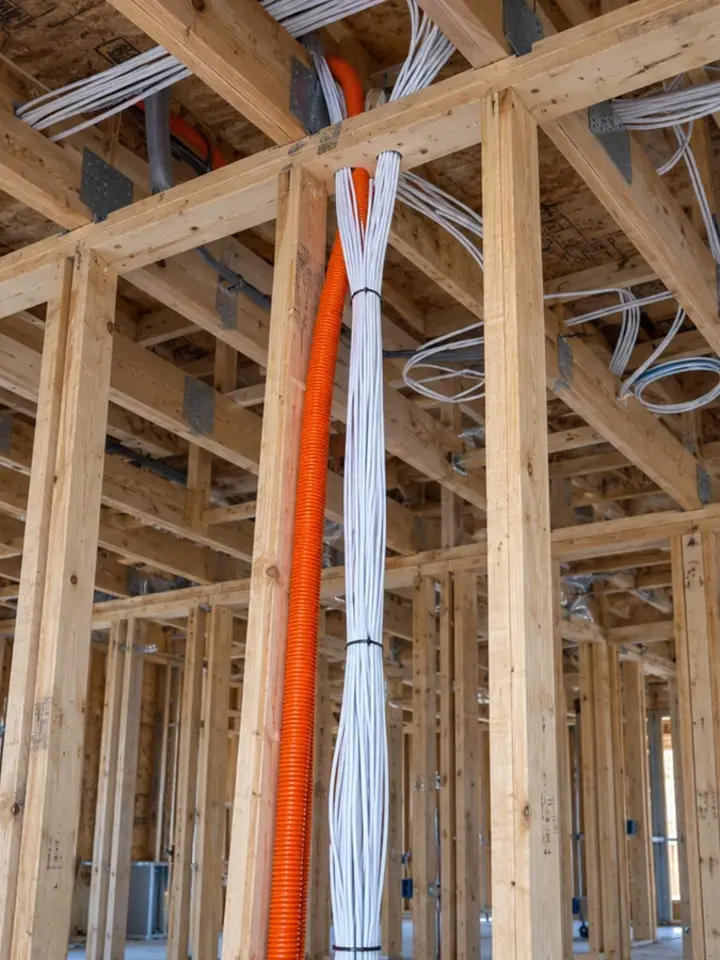
COMMERCIAL TECHNOLOGY COORDINATION FROM ROUGH-IN TO CLOSEOUT
General contractors need low-voltage scopes that align with drawings, pathways, other trades, schedule milestones and closeout requirements. Data Pro Communications coordinates commercial camera, access, cabling, fiber and related systems within that contractor-led process.
The role is low-voltage and technology work. It does not imply responsibility for full electrical power design or a general electrical contracting scope.
Devices, pathways, rooms and responsibilities are compared with current construction documents.
Sleeves, boxes, backing, conduit and cable routes are coordinated before finishes close.
Electrical power, door hardware, gate equipment and low-voltage responsibilities are separated.
Copper, fiber and system verification requirements are defined before closeout.
Labels, device schedules and changes are captured for the completed installation.
Camera views, access-controlled doors and network rooms depend on pathways, power coordination and mounting conditions created by multiple trades. Late clarification can affect finishes, schedule and system performance.
Renovations add existing conditions, occupied areas and demolition uncertainty. A clear RFI and submittal process helps the team resolve those issues before they become field assumptions.
Coordinate device locations, pathways, room layouts and system responsibilities.
Confirm sleeves, boxes, backing and conduit interfaces before walls and ceilings close.
Install, terminate, label and test backbone and endpoint infrastructure.
Complete accepted field-device and configuration scope after supporting trades are ready.
Provide system verification, labels, schedules and defined as-built records.
Identify circuits, receptacles and power work assigned to the responsible electrical trade.
Coordinate locks, operators, safety equipment and low-voltage interfaces with appropriate providers.
Assign addressing, switching and security decisions to the authorized IT party.
Tie rough-in, cable, trim, programming and commissioning to site readiness.
Daytona projects may include hospitality renovations, condominium common-area work, tenant buildouts, warehouses and new commercial facilities. Occupied coastal properties and active businesses can require carefully phased access.
Exterior equipment and pathways should reflect the actual exposure without unsupported hurricane or corrosion guarantees.
Data Pro Communications is positioned as a commercial low-voltage technology subcontractor, not a provider of unrestricted electrical power work.
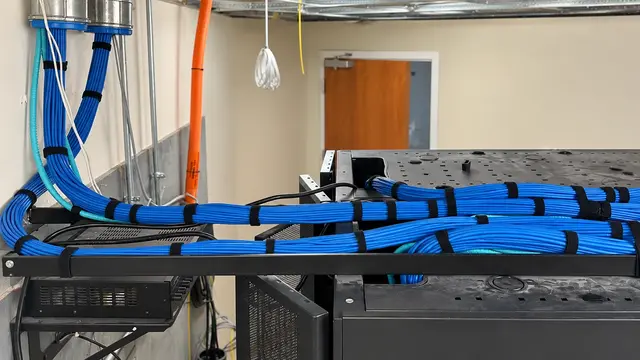
Coordinate commercial endpoint pathways, labeling and testing.
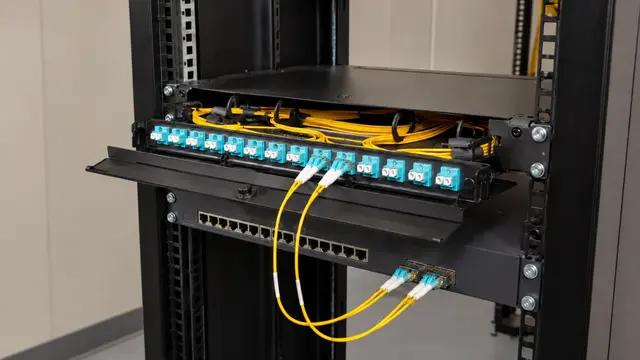
Build backbones between rooms, floors and buildings.

Plan and commission commercial camera systems around accepted scenes.

Coordinate readers and controllers with doors, locks and egress requirements.
Confirm drawings, specifications, alternates, responsibilities and schedule.
Coordinate pathways, boxes, backing, rooms and cross-trade interfaces.
Complete cable, trim and configuration as the site becomes ready.
Verify systems and provide labels, results, schedules and accepted documentation.
FAQ
Coordination should begin early enough to influence pathways, boxes, backing, equipment rooms and other trade interfaces before finishes close.
Provide current drawings, specifications, addenda, device counts, alternates, schedule and the responsibility matrix for related trades.
The Daytona Website DP scope is commercial low-voltage technology. Required electrical power is coordinated with the responsible electrical contractor.
Responsibilities vary by project and should be assigned to qualified door-hardware, gate, electrical and low-voltage providers in the scope matrix.
Yes, when required by the project. Product data, device schedules and interface notes should match the accepted design and specifications.
RFIs, coordination notes and approved field changes should capture pathway, mounting, room and trade-interface decisions.
The scope may include copper and fiber results, system operation checks, device labels, schedules and defined as-built documentation.
Yes. Rough-in, cable, trim and cutover can be sequenced around access, demolition, finishes and business operations.
The project should identify who provides switches, addressing, security configuration, internet access and final administrator ownership.
Define testing, training or handoff, device schedules, labels, as-builts, warranty documents where authorized and outstanding issue tracking.
Share the drawings, specifications, bid scope, schedule and known responsibility matrix. Early review can identify pathway and trade interfaces before field installation.