
Entrances and Shared Areas Defined
The institution identifies appropriate scenes and controlled openings before device placement.
TECHNOLOGY PLANNING FOR CAMPUSES AND ADMINISTRATIVE FACILITIES
Educational facilities may distribute entrances, parking, administration, shared spaces and network equipment across one building or a broader campus. Data Pro Communications plans camera and low-voltage infrastructure around facility operations and authorized administrative workflows.
Technology can support visibility and controlled entry, but it does not guarantee student safety or replace institutional policy, emergency planning or professional risk assessment.
The institution identifies appropriate scenes and controlled openings before device placement.
Fiber, IDFs and remote links support buildings and parking areas where required.
Viewing, export and access permissions remain with authorized personnel.
Installation can be coordinated around classes, events, breaks and restricted areas.
Technology planning supports defined administrative workflows while the institution retains responsibility for safety, policy and emergency planning.
A small administrative building and a multi-building campus need different infrastructure and access strategies. Planning should identify public entry, staff areas, parking, shared circulation and the people responsible for system administration.
Camera modernization may also require review of older cabling, recorder capacity and network closets. Phasing can preserve operations while avoiding unsupported assumptions about existing equipment.
Plan appropriate views around public and staff entrances according to institutional policy.
Manage selected office, records, equipment or staff-only openings.
Review vehicle and pedestrian circulation across lots and shared outdoor spaces.
Evaluate inherited views, recorders, cabling and administration before replacement.
Connect buildings and equipment rooms through documented fiber and network infrastructure.
Authorized leadership defines appropriate video, access and retention practices.
Coordinate surveys and installation with classes, events, breaks and restricted rooms.
Measure backbone routes and equipment-room capacity across campus.
Keep credentials, exports and administrative accounts under institutional ownership.
The regional education environment includes administrative facilities, campuses and training spaces with varied building ages, parking and network distribution. Each project requires its own authorization and property survey.
Coastal and inland sites can differ in exposure and building separation, while active calendars limit intrusive work periods.
No public statement identifies a school customer, contract, procurement status or safety guarantee.

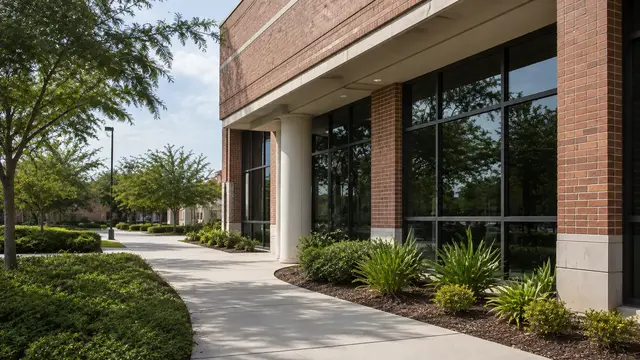
Plan appropriate entrance, parking and shared-space views.
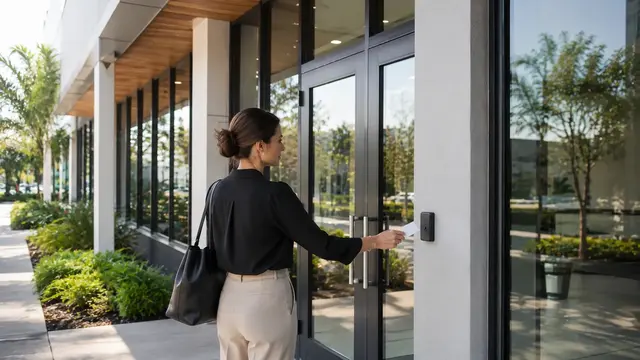
Manage selected administrative and staff-only openings.
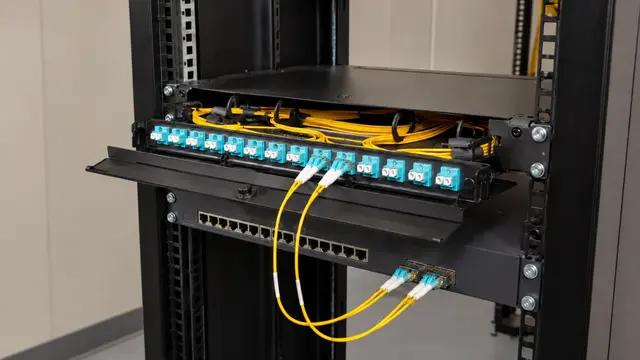
Connect buildings and equipment rooms across a campus.
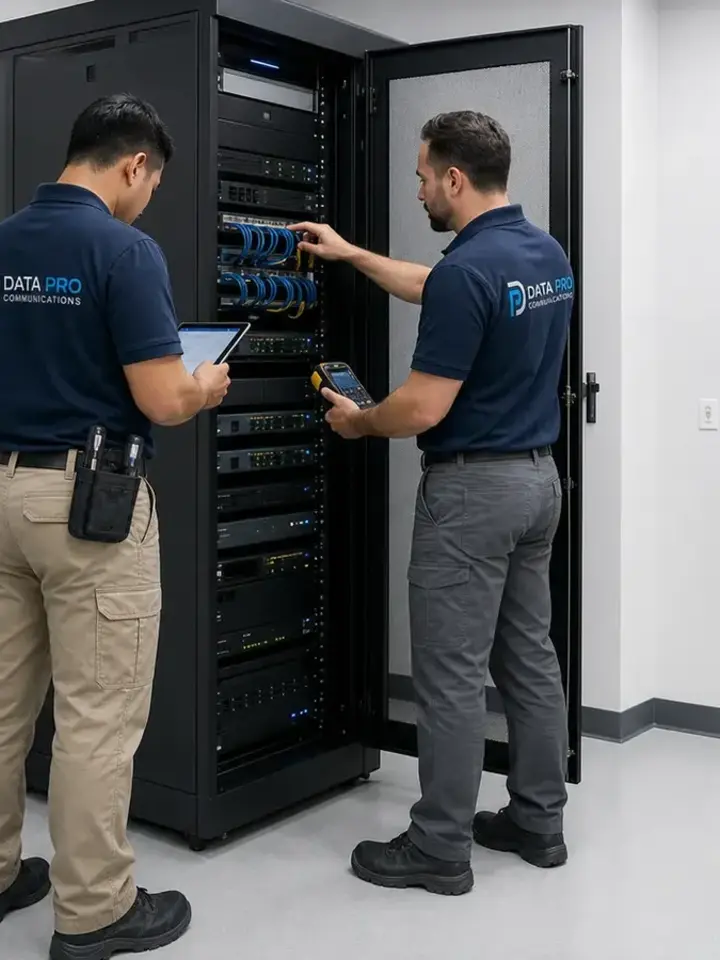
Modernize inherited cameras and recording through a documented plan.
Identify suitable areas, user roles and institutional requirements.
Review doors, views, parking, pathways and equipment rooms.
Coordinate work with calendars, facilities staff and other trades.
Verify representative operation and provide records to authorized administrators.
FAQ
Authorized teams may review entrances, parking, administration, shared circulation and selected exterior areas according to institutional policy.
No. Cameras can support visibility and evidence review but cannot guarantee safety or replace institutional emergency and risk programs.
Selected staff, records or equipment-area openings may use credentials after door hardware and egress conditions are reviewed.
Fiber backbones, IDFs and supported network links can distribute connectivity. Route and equipment-room conditions require field verification.
Yes, after cameras, recorders, cabling, network capacity and administrative accounts are inventoried.
Facilities staff can define breaks, after-hours periods and restricted areas for surveys, cabling and cutovers.
Authorized institutional personnel should own administrator credentials, permissions and export decisions.
Yes, where the institution identifies appropriate views and mounting rights. Vehicle and pedestrian circulation should be observed.
Inventory the existing cameras, cabling, recording platform, network connectivity and door hardware or control interfaces. Testing can identify useful infrastructure that may remain in service and the areas that need modernization.
Gather building plans, entrance and parking priorities, equipment-room locations, current system information, calendars and authorized stakeholders.
Share the buildings, priority entrances, parking areas, current systems and scheduling constraints. Data Pro Communications can prepare for a controlled facility review.