
Use Case Defined in Plain Language
The project identifies the event and the human action that should follow before a rule is configured.
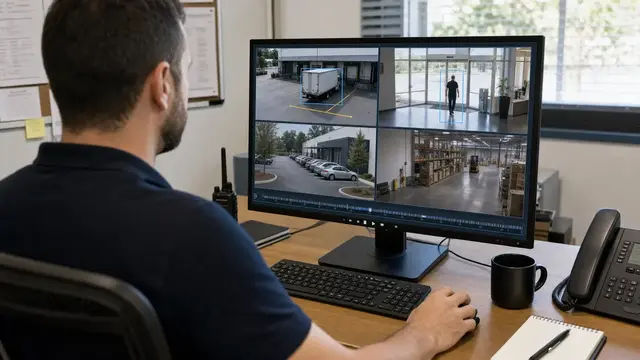
EVENT DETECTION BUILT ON SUITABLE VIDEO
Video analytics can help authorized teams filter activity, search recorded video or surface defined events, but results depend on the scene, camera position, lighting, configuration and supported platform.
Data Pro Communications evaluates the operational question first, then checks whether the available analytic function and camera view are suitable for that use. Analytics assist review; they do not guarantee that every event will be detected.
The project identifies the event and the human action that should follow before a rule is configured.
Obstructions, perspective, lighting and target size are reviewed before analytic performance is considered.
Camera, recorder or VMS capabilities are verified for the required function and workflow.
Rules are observed across meaningful periods and adjusted for the actual scene when practical.
Analytics can reduce search effort or support awareness, but they do not promise identification or prevention of every event.
A request for 'AI cameras' is too broad to design. A property may want to distinguish people from general motion, search for activity in a zone, receive an alert after hours or reduce the amount of recorded video an operator must review.
Each objective creates different requirements for camera angle, target size, scene stability and response workflow. The analytic event must also reach an authorized person through a platform the organization can manage.
Use supported metadata to narrow recorded review by person, vehicle or another available classification.
Configure line, zone or loitering-style rules where the scene and platform support a meaningful boundary.
Surface activity in selected areas during defined periods for authorized review rather than assuming an automatic response.
Help property teams find relevant clips more efficiently when event metadata is reliable enough for the task.
Use separate platform alerts for camera or recording faults where supported; these are not the same as scene analytics.
A distant or sharply angled subject may not provide the visual information a rule requires.
Headlights, reflections, shadows, weather and day-to-night transitions can affect event behavior.
Columns, parked vehicles, landscaping and dense movement may obscure or merge targets.
The customer decides who receives events, when they are reviewed and how nuisance alerts are handled.
A hotel may consider event filtering at a service entrance or a vehicle approach, while a condominium management team may focus on selected common-area or garage workflows. These are different scenes with different expectations.
Parking facilities bring headlights, columns, ramps, changing occupancy and long sight lines. Rules that appear simple in daylight may need careful observation after dark or during high vehicle movement.
Event-oriented and visitor-facing properties can experience unusually variable activity. Analytics should be tuned around defined operating periods and reviewed as an aid, without claims about safety, crime reduction or universal performance.
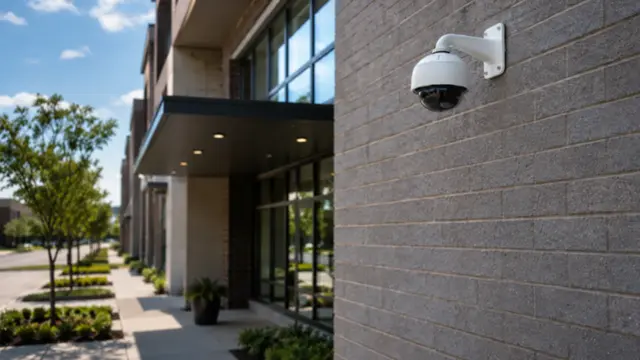
Establish suitable networked cameras and scene quality before relying on supported analytic features.
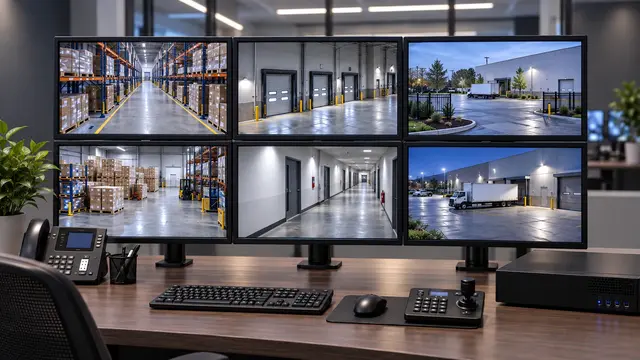
Present events, search tools and operator workflows through a platform designed for authorized review.
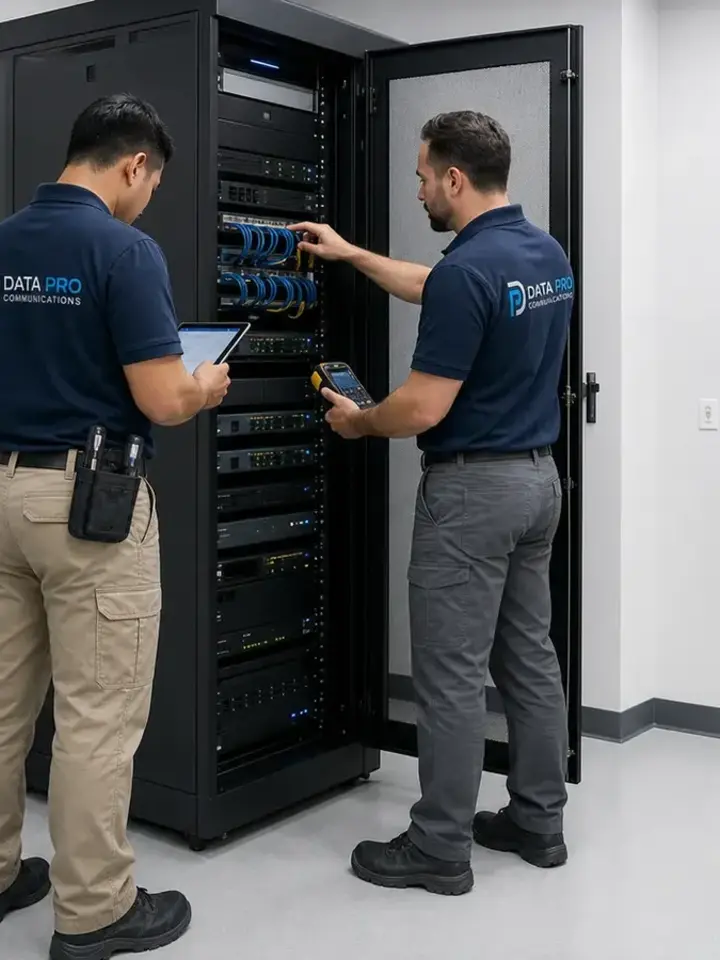
Determine whether existing cameras, processors or recording software can support the desired analytic function.
Create dedicated views when the analytic objective cannot be met by an existing overview camera.
State what should be observed, where it occurs and what an authorized operator would do with the information.
Check field of view, target size, lighting, movement patterns and obstructions across relevant conditions.
Use available camera, recorder or VMS functions with practical thresholds and schedules.
Review missed and nuisance events, document limitations and adjust the workflow without promising certainty.
FAQ
Supported analytics may classify objects, search recorded metadata or surface defined activity in zones and schedules. Available functions vary by camera, recorder or VMS and by scene conditions.
No. Results depend on target size, angle, lighting, obstructions, configuration, platform support and the event itself. Analytics assist review and awareness but cannot guarantee detection.
Possibly. The camera, recorder or VMS must support the desired function, and the existing view must provide suitable scene information. Processing and licensing requirements should also be checked.
Basic motion detection reacts to image change, while supported object analytics may classify or track certain target types. Neither method is immune to nuisance or missed events.
Shadows, reflections, headlights, weather, vegetation, crowding, small targets and unsuitable thresholds can all affect event behavior. Scene changes may require observation and adjustment.
They may be useful for defined tasks, but ramps, columns, headlights, low light and changing occupancy create difficult conditions. The specific view and event should be tested rather than assumed.
The customer should identify authorized recipients, schedules and a realistic response workflow. An alert is information for review and does not create a guaranteed response service.
No. A suitable camera view is still required. An overview camera may not provide the target size or perspective needed for a specific analytic or evidentiary objective.
Rules can be observed under representative operating conditions, then adjusted for thresholds, schedules and zones. Known limitations and nuisance conditions should be documented.
Describe the event, location, schedule, target type and the action an authorized person would take. That is more useful than requesting a generic AI feature.
Describe the scene, the event your team wants to find and how someone would respond to the information. Data Pro Communications can evaluate whether the camera view and supported platform offer a practical analytic path.