
Property Scale Respected
The system is sized around actual entrances, shared areas and operating needs rather than a large-site template.
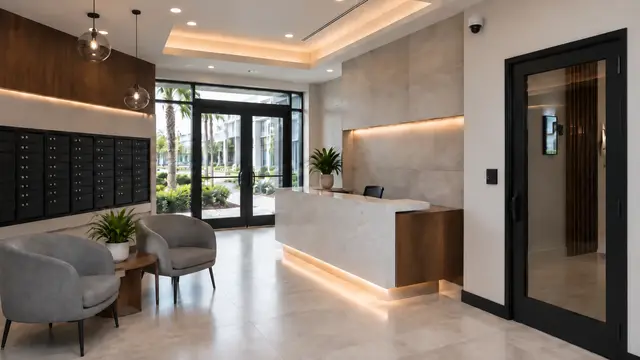
SITE-SPECIFIC SYSTEMS FOR MANAGED AND RIVERFRONT PROPERTIES
Ponce Inlet has a smaller property scale than Daytona’s larger commercial centers, but managed condominiums, HOA environments, visitor-facing businesses and riverfront commercial uses can still require professional camera and entry planning. Data Pro Communications develops coverage around vehicle arrivals, pedestrian access, parking, shared areas and remote property zones.
Projects may involve intercoms, access control, fiber or point-to-point connectivity when separate buildings or distant equipment locations are part of the site. The final design depends on verified distances, clear wireless paths, available pathways and the actual outdoor mounting conditions.
The system is sized around actual entrances, shared areas and operating needs rather than a large-site template.
Distances and pathways are verified before fiber or wireless connectivity is recommended.
Vehicle, pedestrian, visitor and service access are reviewed separately.
Mounting, enclosures and cable transitions are matched to the selected location.
A Ponce Inlet property may need coverage across a condominium entrance, HOA-managed common areas, surface parking, a small hospitality or restaurant operation, or riverfront service areas. The best layout prioritizes specific operational events instead of trying to watch every open area equally.
Separate buildings, docks or remote property edges can introduce network-distance questions. Fiber or a point-to-point wireless link may be appropriate, but only after route conditions, line of sight, power coordination and equipment protection are confirmed.
Entrances, parking, detached structures and riverfront zones may sit beyond one simple cable route.
Sun, weather exposure and reflective surfaces can alter useful views through the day.
Boards, managers and operators need clear priorities, permissions and approval responsibilities.
Smaller properties may have constrained network closets or require carefully placed enclosures.
Plan coverage for entries, parking, common transitions and selected exterior areas.
Configure authorized access and recording workflows for managers or operators.
Coordinate controlled vehicle or pedestrian approaches where the property uses them.
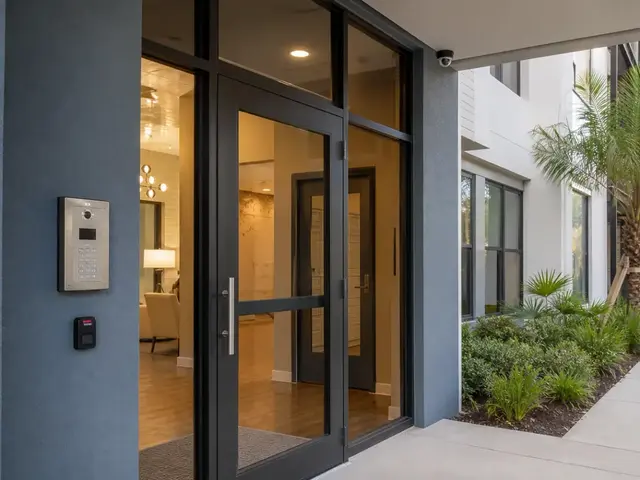
Support visitor, vendor or service communication at selected entrances.
Connect distant equipment areas or buildings when verified routes support fiber.
Evaluate building-to-building links when clear line of sight and site conditions make them practical.
Review vehicle access, pedestrian entrances, parking, management areas and common transitions.
Coordinate gate, intercom, camera and management-permission requirements.
Plan customer arrival, employee access, parking and service-area views.
Evaluate access points, parking and working areas without implying marine-industry expertise.
Plan network links and remote equipment around measured distance and site access.
Confirm distances between cameras, switches, buildings and recording locations.
Account for structures, vegetation, mounting height and future obstructions before selecting a link.
Match enclosures, supports and cable transitions to the actual exposure and service path.
Identify available power and trade responsibilities at remote equipment locations.
Validate representative vehicle, pedestrian and nighttime conditions before final acceptance.
Intercom and camera views can support visitor or vendor contact at controlled approaches.
Fiber or wireless may carry camera and network traffic between suitable structures.
Viewing and access rights should follow operational responsibilities rather than a shared password.
Remote equipment should remain identifiable and reachable for maintenance.
Ponce Inlet planning materials describe a community with condominium housing, small-scale commercial activity and riverfront commercial uses that include marina-related operations. That mix supports a more measured approach than a large urban commercial template: entrances, parking, shared property areas and remote structures should be prioritized around the specific site.
Managers and operators can prepare by identifying who controls each building or outdoor area, where network equipment is located, which paths connect structures and whether temporary obstructions affect wireless visibility. No assumption should be made that a waterfront location automatically requires a particular product or guarantees performance.

Plan camera views, recording and commissioning around the managed or commercial property.
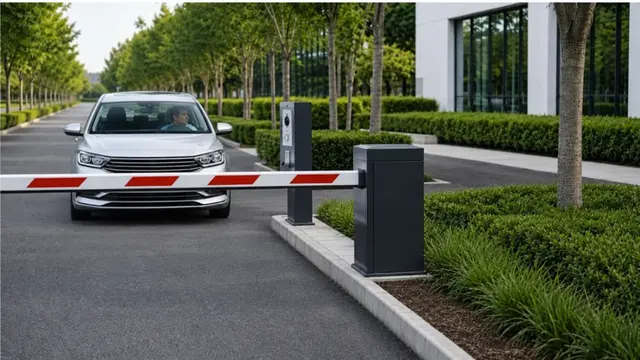
Coordinate vehicle entry controls with practical camera and communication views.
Support visitor and service communication at controlled entrances.
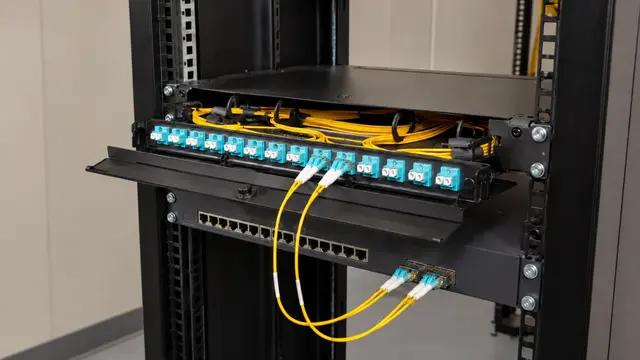
Connect distant equipment locations through suitable pathways.
Evaluate building links where route and line-of-sight conditions support them.
Review technology applications for managed residential operations.
Data Pro Communications considers qualifying commercial and professionally managed projects in Ponce Inlet. The property address, system scope, access and technical feasibility are confirmed before scheduling.
Identify vehicle, pedestrian, service and detached-property zones on a current site plan or walkthrough.
Check pathways, building separation, line of sight and equipment locations.
Match cameras, entry devices and network links to verified conditions and management priorities.
Confirm views, communications, permissions and documentation with authorized stakeholders.
Data Pro Communications supports commercial security camera and related low-voltage projects under FL License #EC13016138. Project scope, permitting responsibilities and coordination with other trades depend on the property and accepted work.
FAQ
Qualifying projects may include professionally managed condominiums, HOA properties, visitor-facing businesses, riverfront commercial uses and multi-building sites with professional infrastructure needs. The individual property and scope are reviewed first.
Review vehicle and pedestrian approaches separately, including lighting, gate or door operation, intercom use, visitor procedures and the detail needed from overview and entry cameras.
Yes, when a suitable pathway and termination locations are available. Distance, route, equipment-room access, capacity and future service needs should be confirmed during design.
A wireless link may be practical when buildings have clear line of sight, stable mounting, available power and an acceptable path. Trees, structures, weather exposure and alignment must be evaluated.
The survey should identify the operating area, mounting options, power, pathways, network reach, lighting and service access. Data Pro Communications does not claim marina-operation expertise or guarantee environmental performance.
The association should identify priority areas, authorized viewers, retention expectations, budget, installation access and who will administer the system. Legal or policy questions should be handled by the association’s advisors.
Yes. The design can coordinate visitor communication, gate operation and useful vehicle or pedestrian views when hardware, network and management workflows support the integration.
Transitions should use appropriate pathways, supports, penetrations and enclosures for the actual location. The design should keep connections serviceable and avoid exposed improvised cable paths.
Not always. Platform choice depends on camera count, sites, permissions, search needs, retention and support expectations. A well-sized NVR may be sufficient for a simpler property.
Provide a current site or building plan if available, entry locations, separate structures, existing camera and network details, known line-of-sight concerns, desired viewing users and any planned construction.
Provide the property type, entry points, separate buildings and current system details. The team can assess whether a walkthrough or additional technical information is needed.