
Symptoms Recorded First
Intermittent behavior, timing, weather, recent construction and affected channels help narrow the investigation.
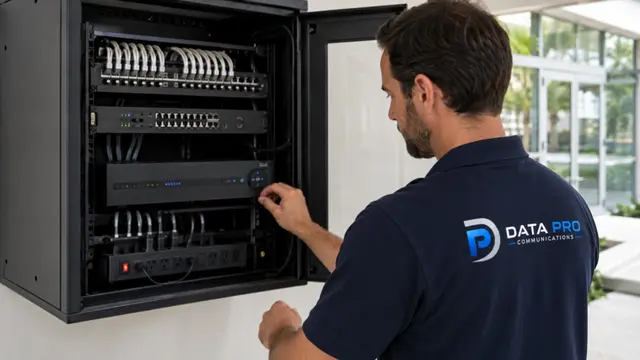
DIAGNOSIS FOR VIDEO, RECORDING AND CONNECTIVITY FAULTS
A missing image can originate at the camera, connector, cable, power source, switch, network path, recorder or user account. Effective repair begins by isolating the failure instead of replacing the first visible component.
Data Pro Communications troubleshoots commercially installed camera systems with attention to the observed symptom, failure history, available documentation and the operational importance of the affected view.
Intermittent behavior, timing, weather, recent construction and affected channels help narrow the investigation.
The diagnostic path includes local power, PoE, connectors, cabling, switching and uplinks as applicable.
A camera can appear live while recorded video is missing, so storage and schedules receive their own review.
Administrative access is requested only from customer-approved contacts and is not collected through the public form.
Unsupported, damaged or incompatible equipment may require replacement rather than repeated temporary correction.
A useful service request describes what happens: one camera drops at night, several channels fail together, playback is missing, remote users cannot connect, or the image has become obstructed or unstable. Observable symptoms guide a more efficient diagnostic sequence.
The cause may be local or shared. A failed power supply can affect several analog cameras, an overloaded PoE switch can create intermittent IP problems, and a recorder fault can hide otherwise healthy streams. Testing separates those conditions.
Trace power, signal, PoE, switch and pathway conditions behind recurring image loss.
Review focus, aim, contamination, lighting, connectors, signal quality and damaged mounts.
Check schedules, storage health, channel status, time settings and recorder capacity.
Separate account, platform, network and recorder causes while respecting customer IT controls.
Investigate faults that follow ceiling, roofing, renovation, paving or other work near cameras and pathways.
Note when the symptom began, whether it is constant and what changed around the same time.
Identify individual cameras, groups, recorder functions or remote users involved in the problem.
Arrange authorized access to equipment rooms, network contacts and credentials without placing secrets in the inquiry form.
Report water intrusion, power events, physical impact or construction that may have affected equipment.
Hospitality and condominium properties may need repair work coordinated around guests, residents, parking operations and restricted equipment rooms. Clear access planning can be as important as the diagnostic tools.
Outdoor cameras and transitions can be affected by physical movement, contamination, moisture paths or nearby building work. A coastal location does not prove the cause; the actual device, mount and cable route must be inspected.
Warehouses, automotive sites and multi-building commercial properties may share power or network dependencies across groups of cameras. A system-level symptom should be tested upstream before numerous field devices are replaced.
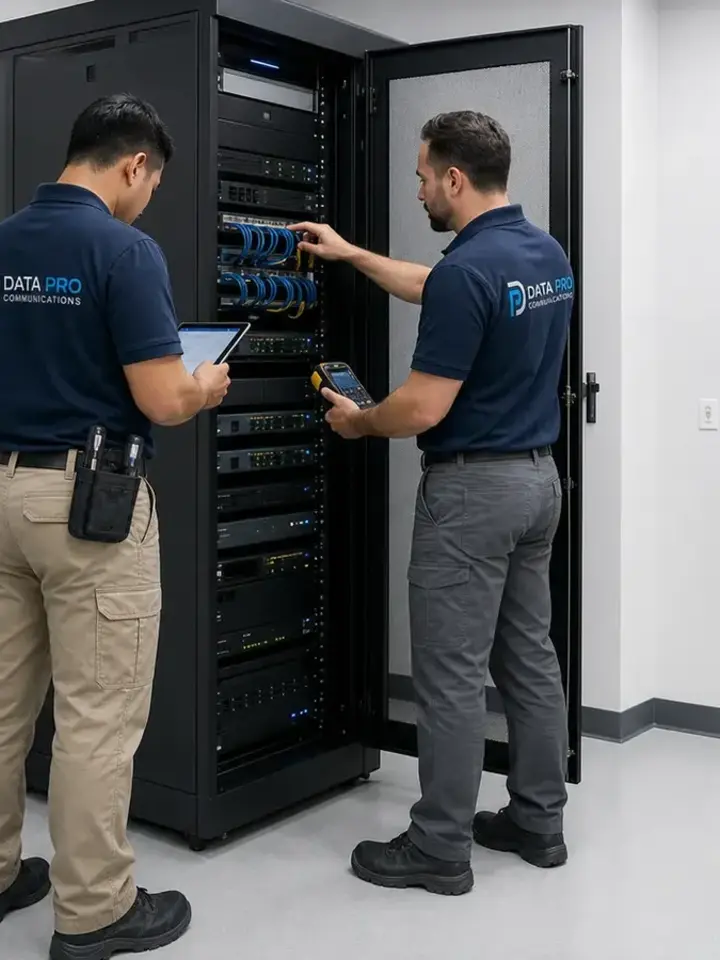
Move from repair to modernization when unsupported equipment or repeated failures prevent a maintainable correction.
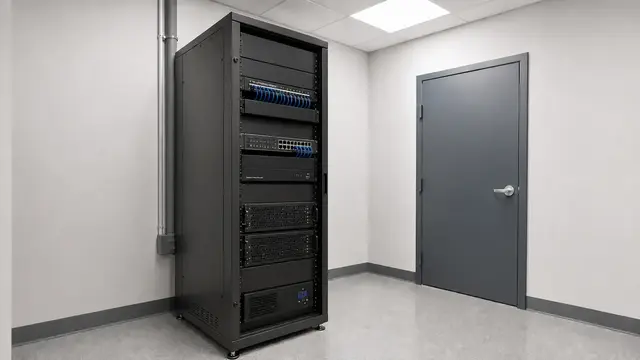
Address recorder, storage or user-access problems that extend beyond an individual camera fault.
Replace damaged or undocumented pathways when testing identifies the physical link as the failure point.
Establish recurring inspection and documentation practices after immediate camera faults are resolved.
Reproduce the image, recording or access problem and compare it with normal system behavior.
Separate device, power, cabling, network, recorder, storage and account possibilities.
Repair the supportable fault or explain why replacement, modernization or third-party coordination is needed.
Confirm the restored live or recorded result and document any remaining limitations.
FAQ
Troubleshooting may address offline or intermittent cameras, unstable images, recording gaps, storage faults, cabling damage, PoE or power problems, network connectivity and authorized remote-access issues.
Nighttime problems can involve illumination, exposure settings, power demand, reflections, focus shift or environmental conditions. The exact camera and scene should be observed and tested.
Yes. Damaged cable, poor terminations, excessive length, moisture, patching or marginal PoE can create intermittent faults. Switching and device causes should also be ruled out.
Multiple failures may share a power supply, PoE switch, uplink, recorder or pathway. Testing the common dependency is often more useful than replacing each camera separately.
Yes. Recording schedules, storage, channel settings, time, database or recorder capacity can fail independently of live view. Playback and storage status require separate checks.
Note the affected camera, time, duration, weather, operating activity and any recent construction or network changes. Photos of visible damage can help, but do not send passwords.
Often the cameras are not the cause. Accounts, platform services, firewall rules, network availability or recorder settings may need investigation by the authorized parties.
Modernization may be more appropriate when equipment is unsupported, failures recur, replacement parts are impractical or the repaired system still cannot meet required image and recording needs.
Yes. Roofing, paving, painting, ceiling work, physical impact and cable disturbance can affect cameras or pathways. The timing and location of recent work are useful diagnostic clues.
Arrange authorized entry to affected areas, equipment rooms and network contacts, plus approved access to recorders or device administration when required. Do not include credentials in the public form.
Tell us which cameras or functions are affected, when the issue occurs, what recently changed and whether authorized equipment access is available. Do not submit passwords or access codes through the public form.