
Installed Condition Documented
Camera types, cable paths, power arrangements and recorder connections are mapped before changes begin.
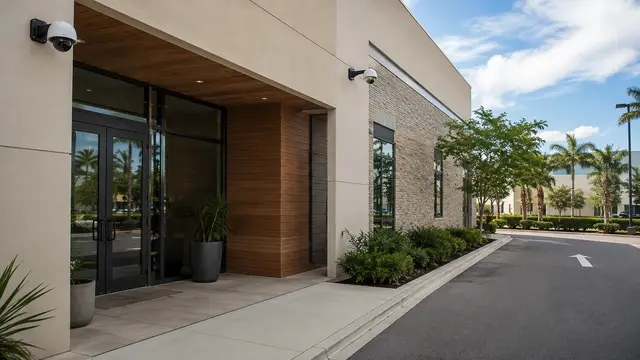
ANALOG, IP AND HYBRID COMMERCIAL VIDEO
Commercial CCTV work may begin with a blank property, an aging analog system or a mixed environment assembled over several generations. Data Pro Communications evaluates the installed condition before defining what should remain, change or be replaced.
A phased approach can preserve useful pathways or supported devices when they still serve the required scenes, while moving recording, image quality and system access toward a maintainable long-term design.
Camera types, cable paths, power arrangements and recorder connections are mapped before changes begin.
Existing equipment stays in the plan only when condition, compatibility and image results support the project.
Analog and IP components may coexist during a controlled phase when the platforms and operational needs allow it.
Cutovers are organized around occupied properties and the customer's most important recording periods.
Recorder access, user permissions and system ownership are clarified as part of modernization.
Many commercial properties use CCTV to describe analog cameras, IP cameras or a hybrid of both. The practical question is whether the present system delivers usable images, dependable recording and an interface the authorized team can operate.
Modernization can address poor resolution, unsupported recorders, inconsistent power, undocumented cabling, limited storage or remote-access problems. The scope should separate correctable faults from components that no longer meet the intended use.
Design cameras, transport and recording for a property that needs a complete video system.
Review channel format, camera compatibility, storage and output requirements before changing the recording platform.
Replace weak or failed views first when the remaining system can support a sensible staged plan.
Use supported encoders, hybrid recorders or separated subsystems when a controlled transition provides operational value.
Identify damaged coax, connectors, power distribution or improvised pathways that undermine otherwise usable cameras.
Test representative runs and inspect terminations rather than assuming every inherited pathway is sound.
Confirm format, resolution, channel capacity, storage health and export workflow for the proposed transition.
Judge each camera by the evidence it produces at the required time, not simply by whether an image appears.
Plan cutover order, temporary gaps and rollback options for properties that cannot change every area at once.
Hotels, condominium communities and established commercial buildings often contain video equipment from multiple renovation cycles. Recorder rooms, risers and ceiling paths may be difficult to access while the property remains occupied.
A hotel can prioritize arrivals, parking and service access without replacing every corridor view in the same phase. A managed condominium may organize garage, lobby and vehicle-entrance work around board decisions, resident communication and equipment-room access.
Commercial offices, retail sites and service facilities can also benefit from a staged cutover when critical views and operating hours are identified early. The sequence should come from the property, not from a universal upgrade package.
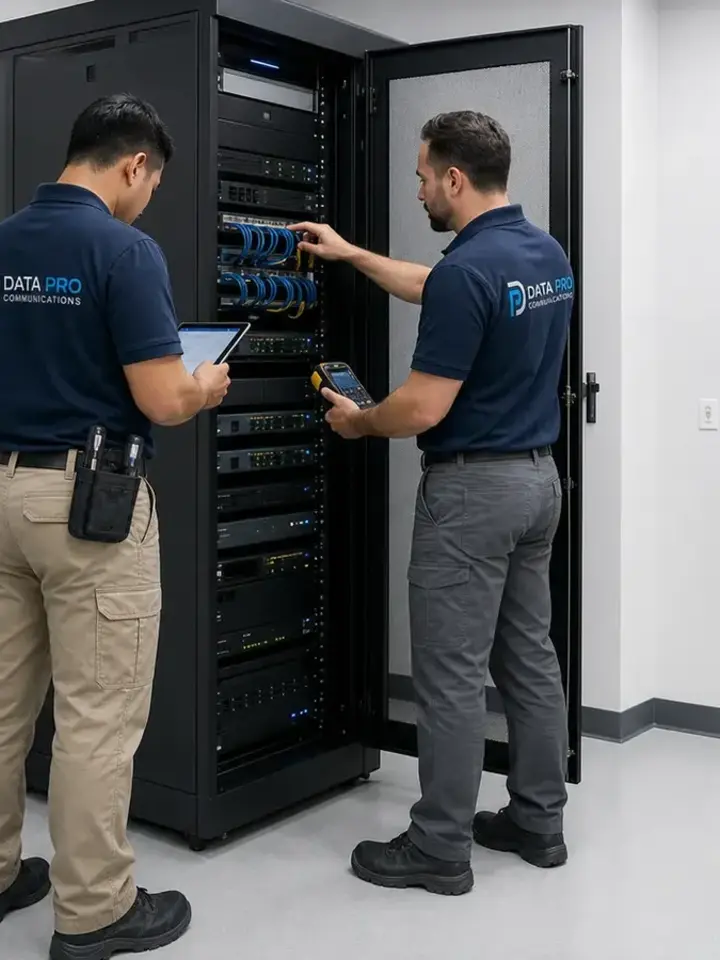
Compare the present system with future operational needs when modernization includes broader platform and infrastructure decisions.
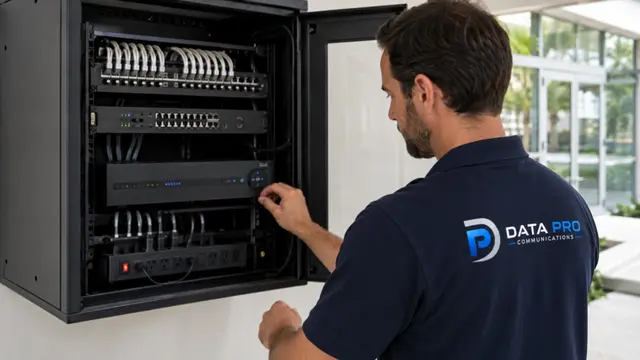
Isolate discrete faults before treating an intermittent image or recording problem as a complete replacement project.
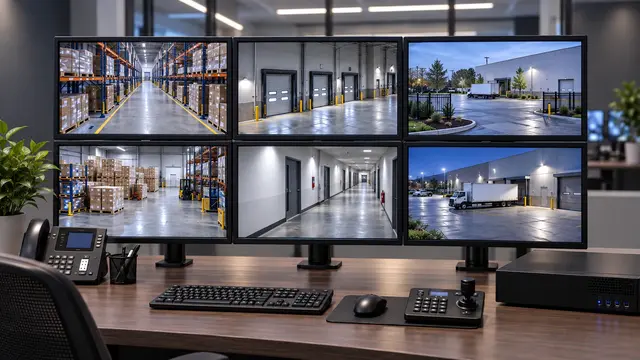
Organize operator search, export and multi-site workflows when the recording interface has become a limiting factor.
Prepare switching and uplinks for portions of a CCTV environment moving to IP video.
Record cameras, formats, channels, cables, power supplies, recorders, displays and known credentials.
Check representative images, recording, export and physical connections in the areas that matter most.
Choose repair, selective replacement, hybrid operation or full modernization based on supportable results.
Sequence changes, confirm recording continuity where required and document the revised installed condition.
FAQ
CCTV may describe analog, IP or hybrid closed-circuit video systems. Analog cameras typically send video over coax to a recorder, while IP cameras use network transport and require switching, addressing and supported recording.
Sometimes. Existing cameras, cable and power should be tested for condition and image value. A supported hybrid recorder or phased plan may retain useful components while priority areas move to newer technology.
Representative runs and terminations are inspected and tested. Physical damage, signal quality, distance, connectors and the requirements of the proposed format determine whether reuse is practical.
They may coexist through a supported hybrid design or separated recording architecture. Compatibility, operator workflow, storage and the long-term transition plan should be clear before deployment.
Possible causes include limited resolution, poor focus, unsuitable angle, backlight, weak nighttime illumination, damaged connectors, signal loss, unstable power or a recorder that cannot display the camera's full output.
The property can prioritize critical scenes and schedule recorder or camera cutovers around access and operating periods. Each phase should retain a coherent recording and user-access plan.
Not necessarily. Camera signal format, resolution, frame rate and control features must be supported by the recorder. Compatibility should be verified for the exact models and intended functions.
A focused diagnostic can reveal whether the issue is the camera, cable, power or recorder. That information can prevent unnecessary replacement and improve the accuracy of a future modernization scope.
It depends on recorder support, network access, account control and cybersecurity requirements. An unsupported recorder may need modernization before remote access can be configured responsibly.
Provide the recorder make or type if known, approximate camera count, cable type, current faults, required views and whether authorized equipment-room and account access can be arranged.
Provide the approximate camera count, recorder information, known failures and the scenes that no longer meet expectations. An inventory can reveal whether a focused repair, staged transition or broader modernization is the better starting point.